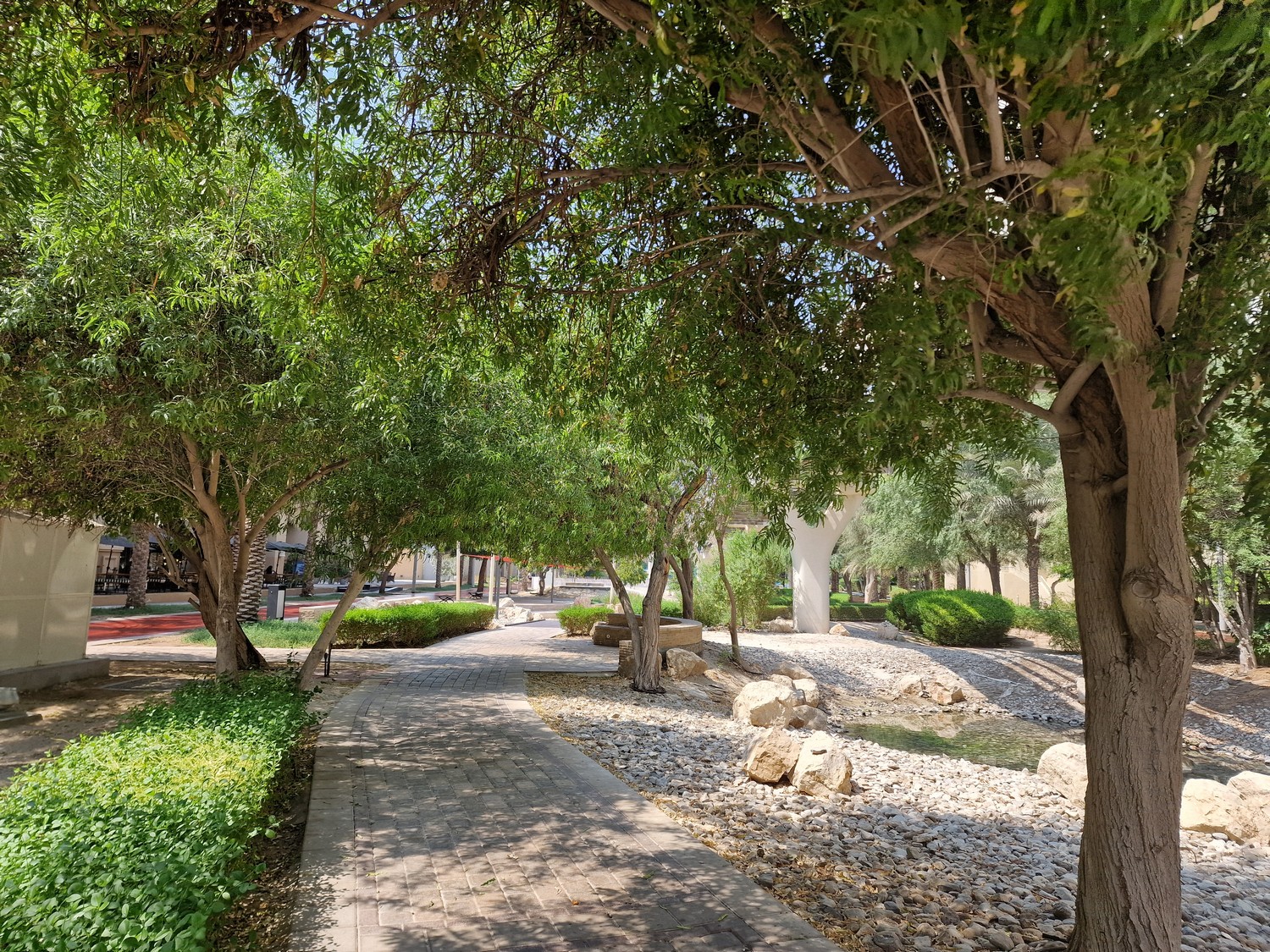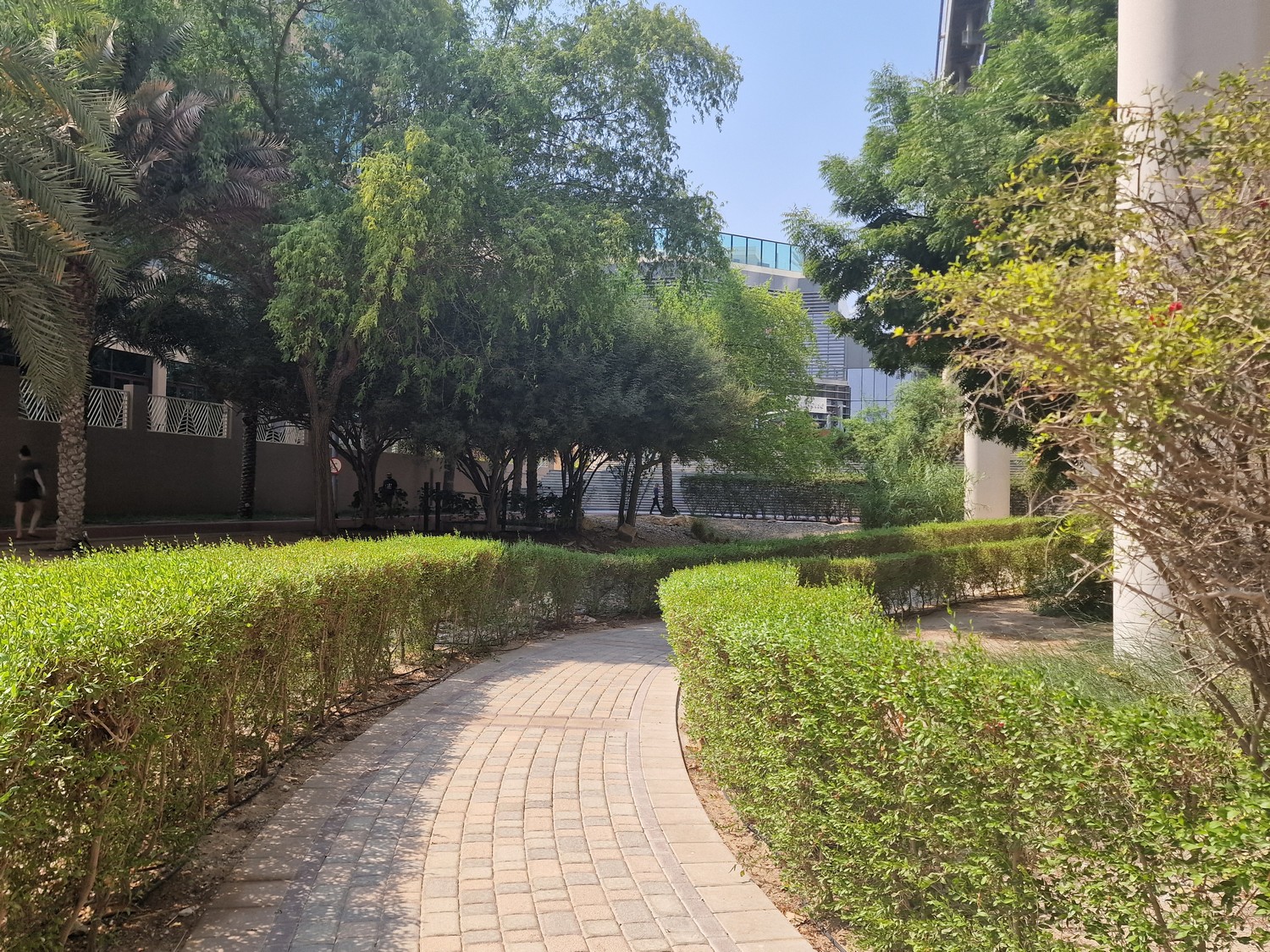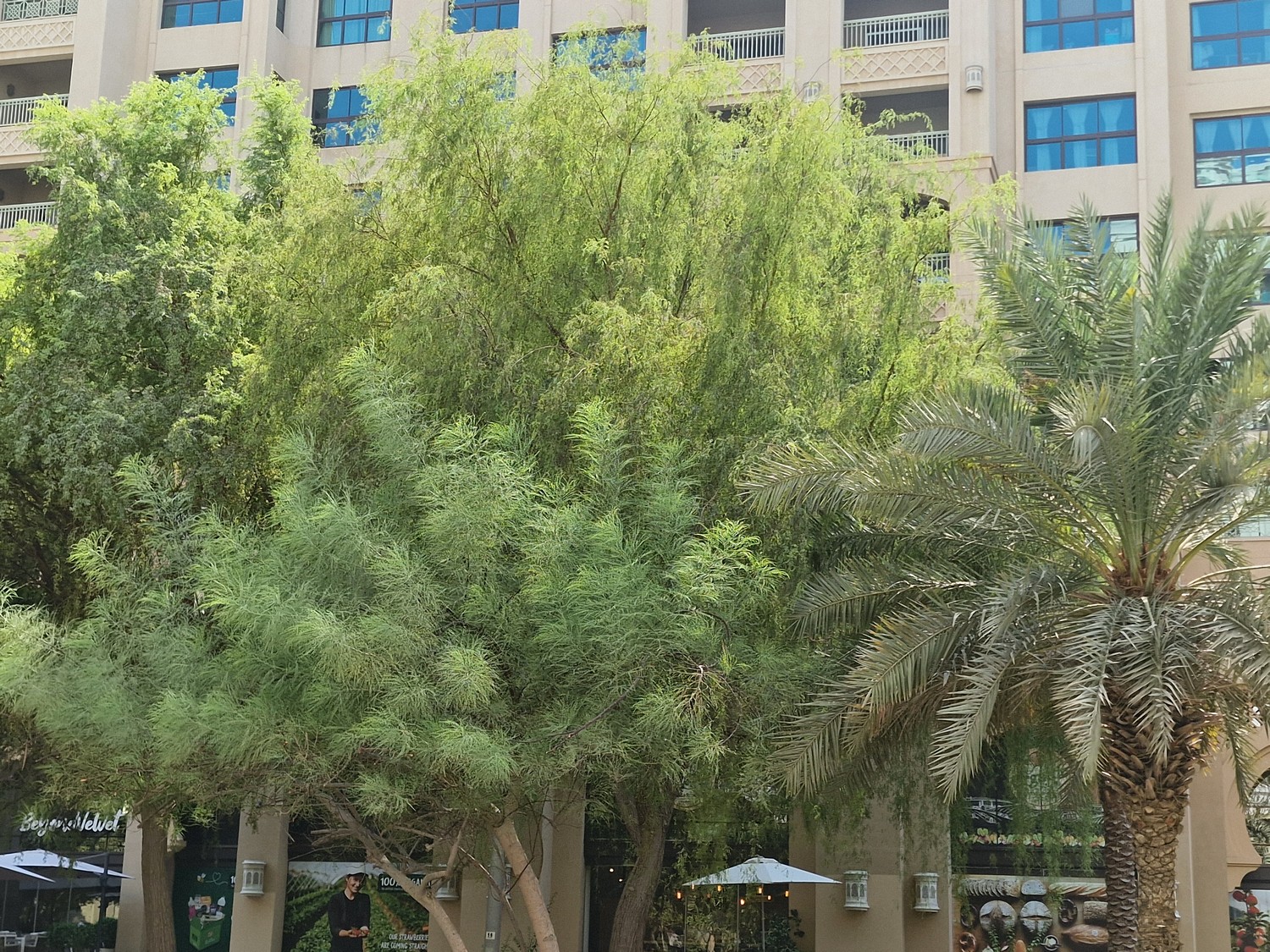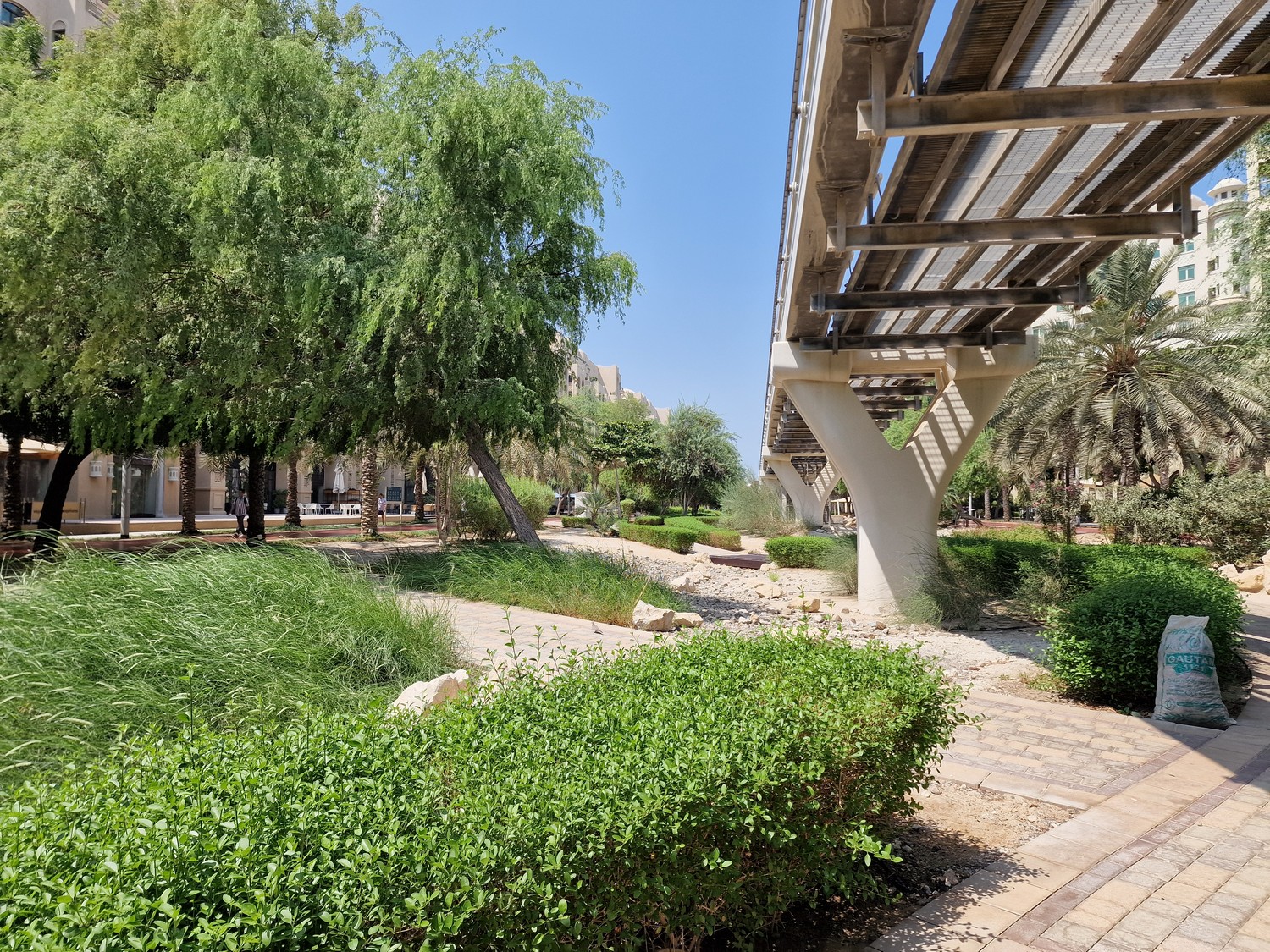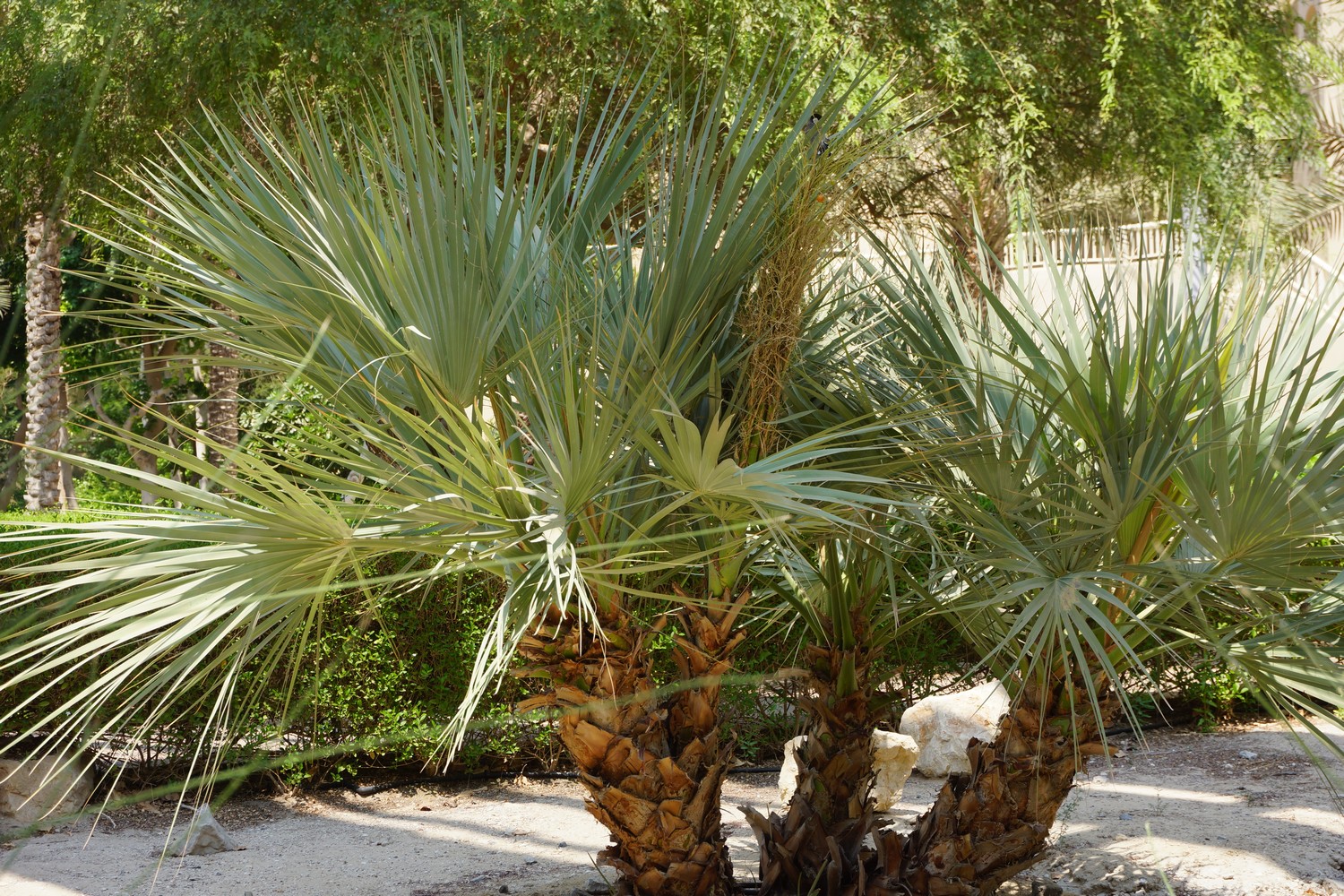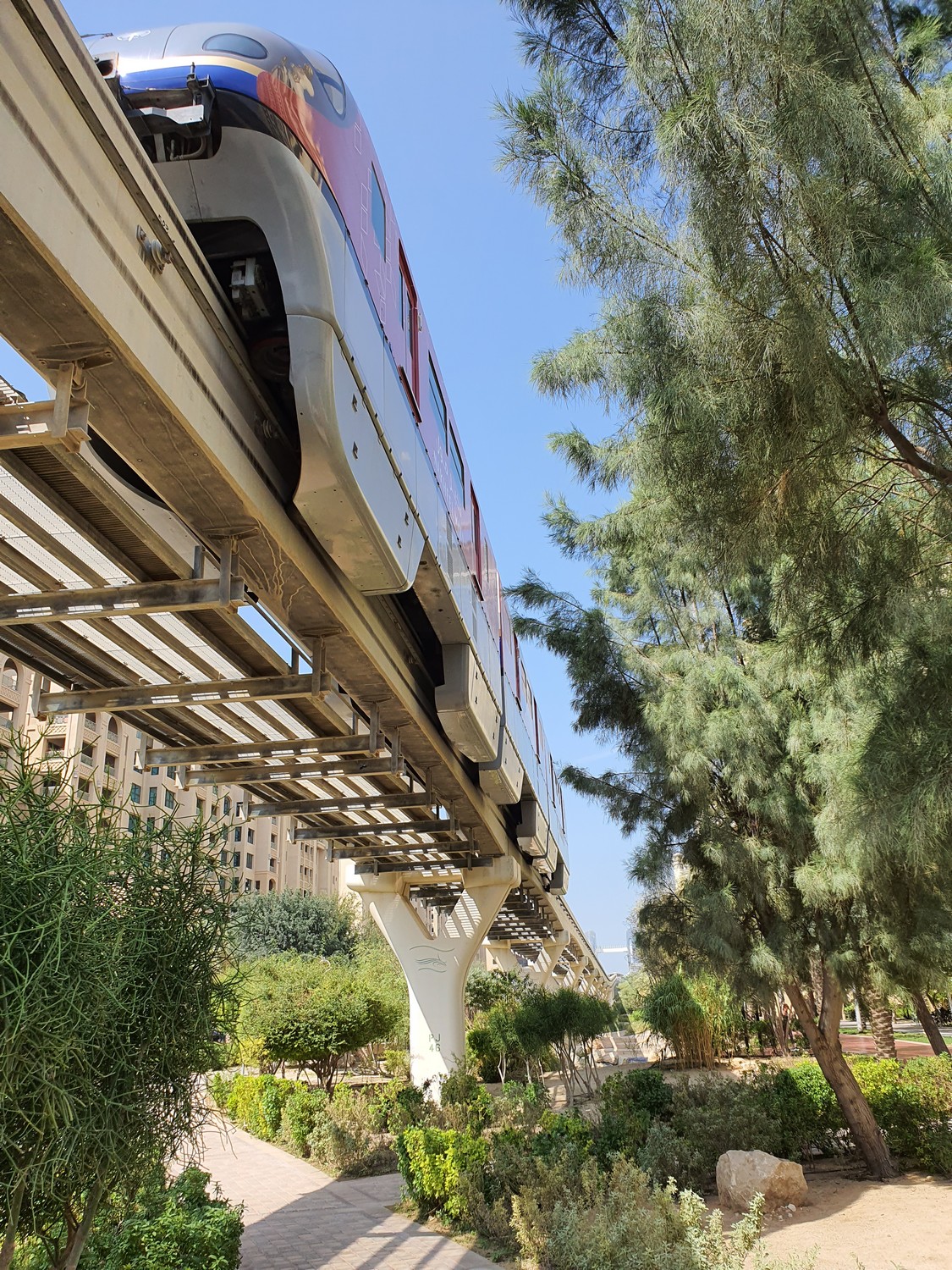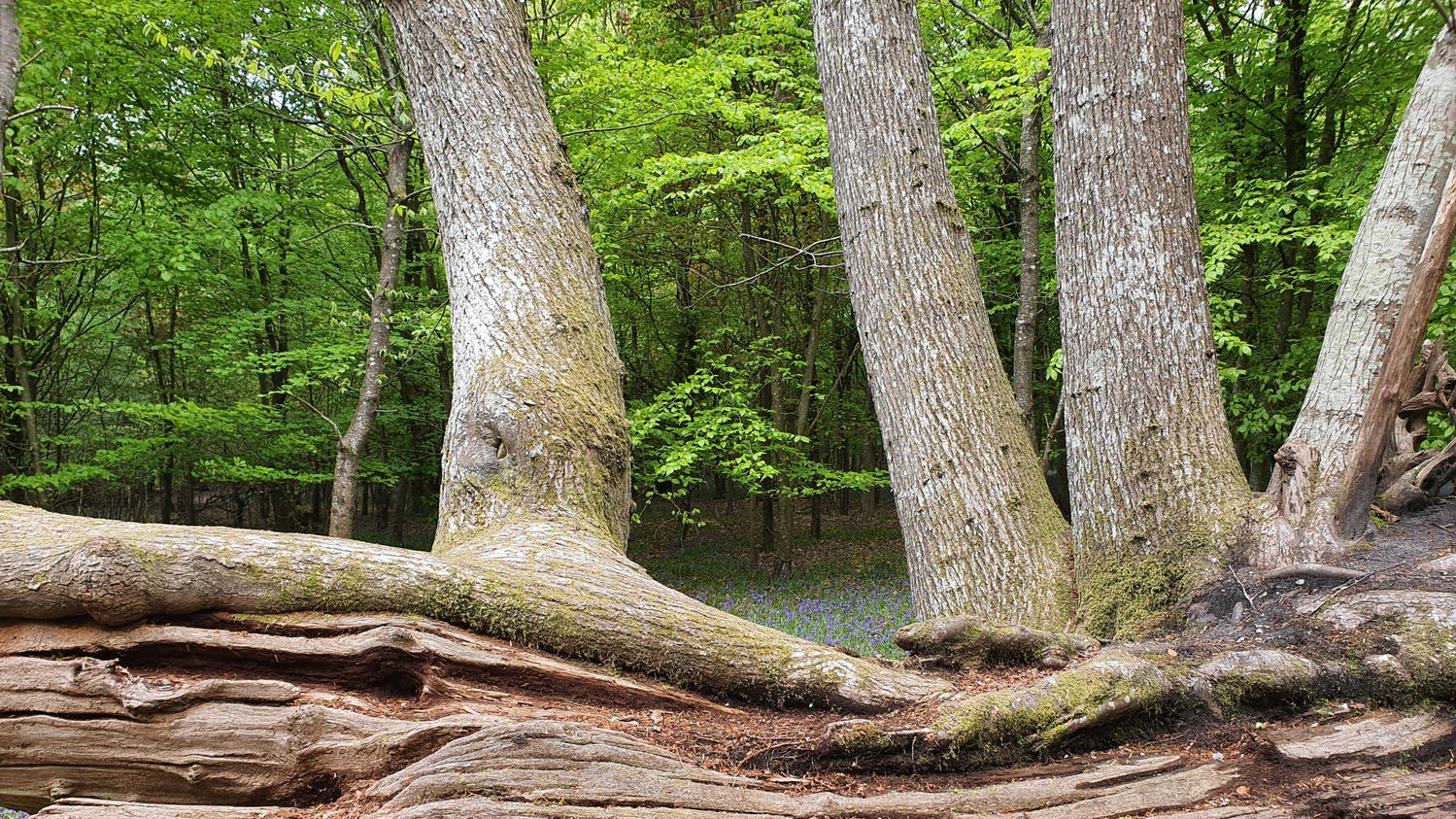
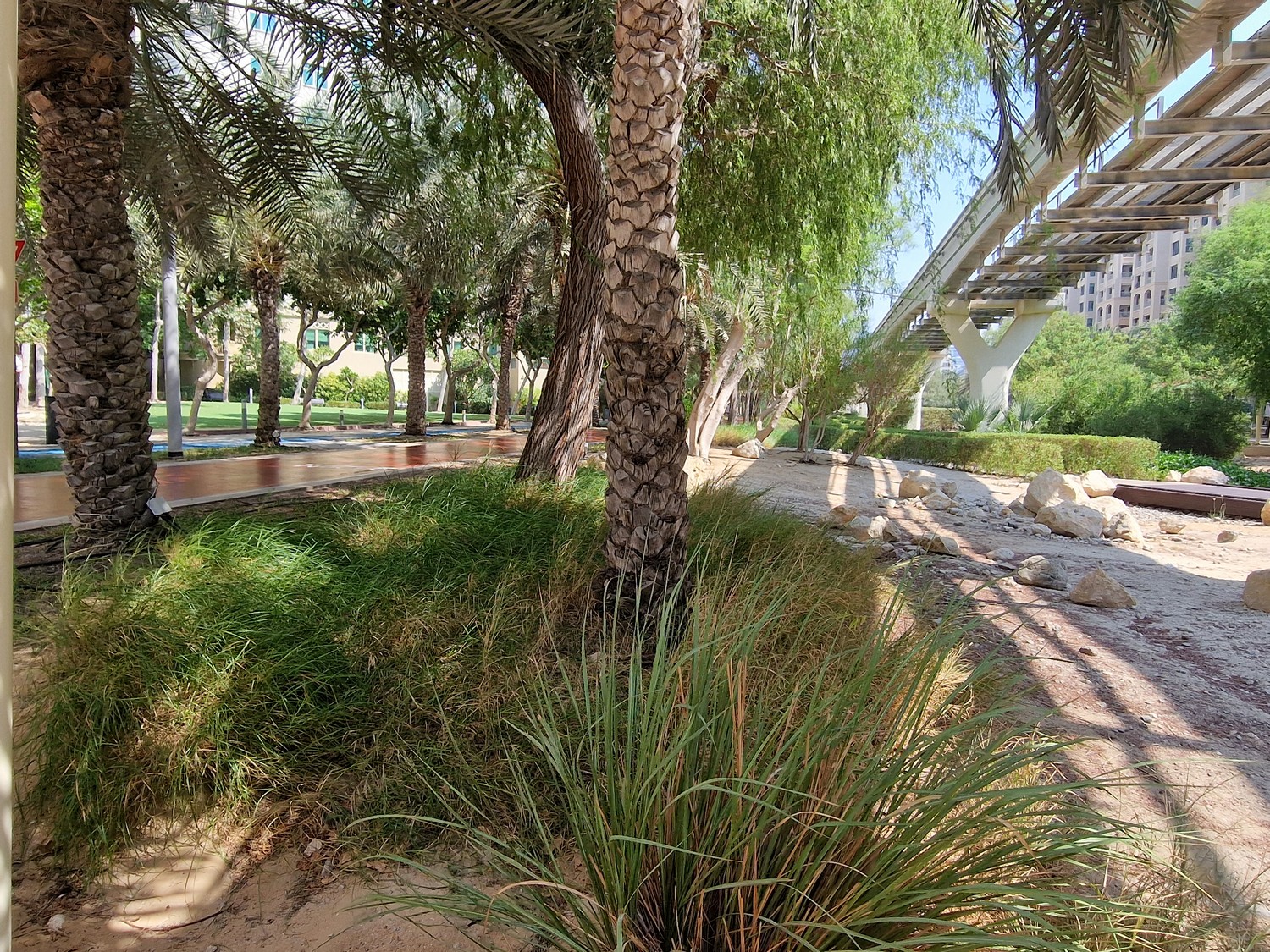
One of my favourite parks in Dubai – and the UAE – was Al Ittihad park, on Palm Jumeirah. Located on the golden mile, to either side of the monorail, it was opened in 2012 and featured mostly native trees and planting. It truly felt like a refuge within an urban jungle. It wasn’t perfect, but it still had a quality which I loved and was a great community asset. This is all past tense because in early 2026, everything has been ripped out.
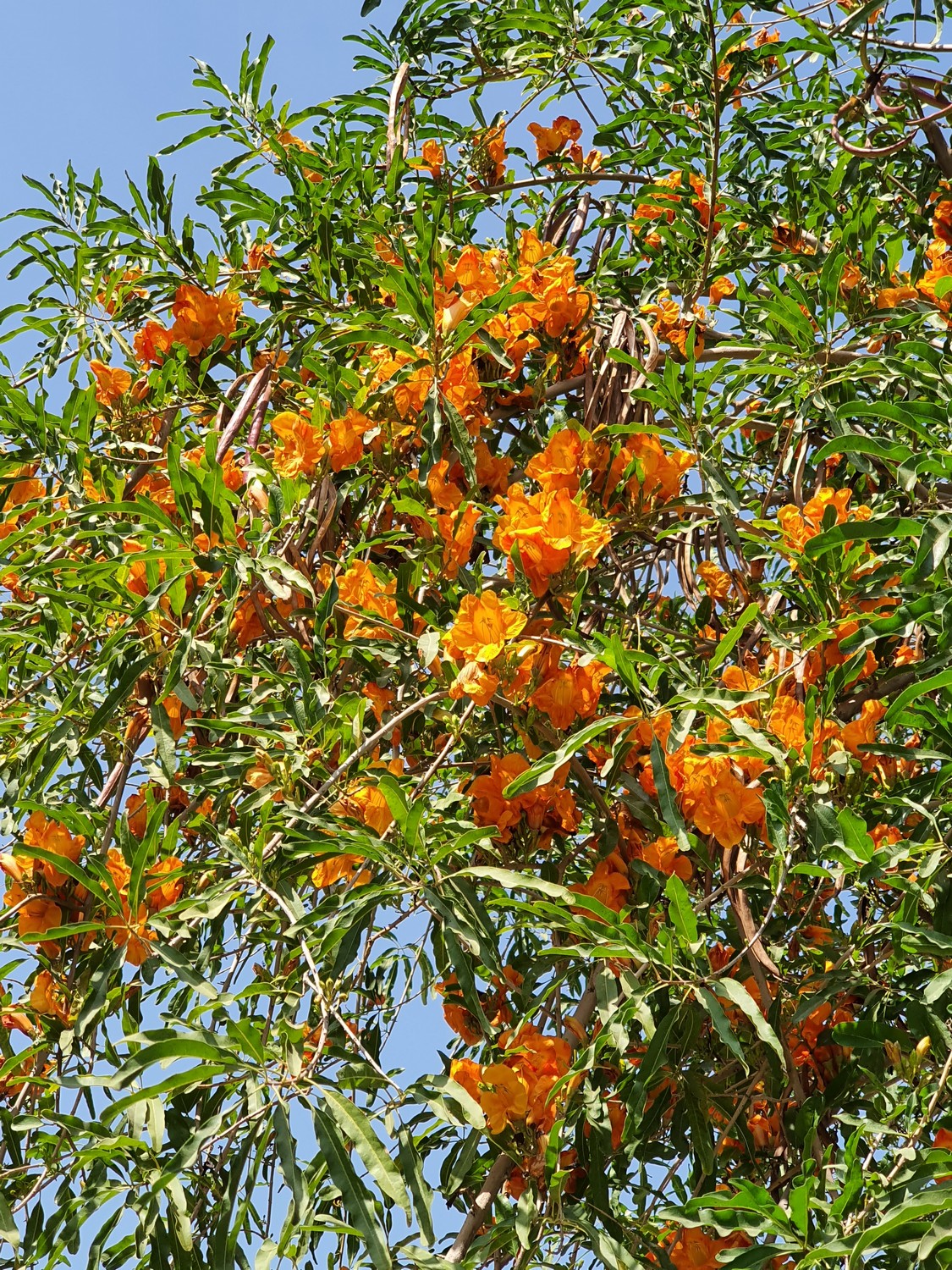
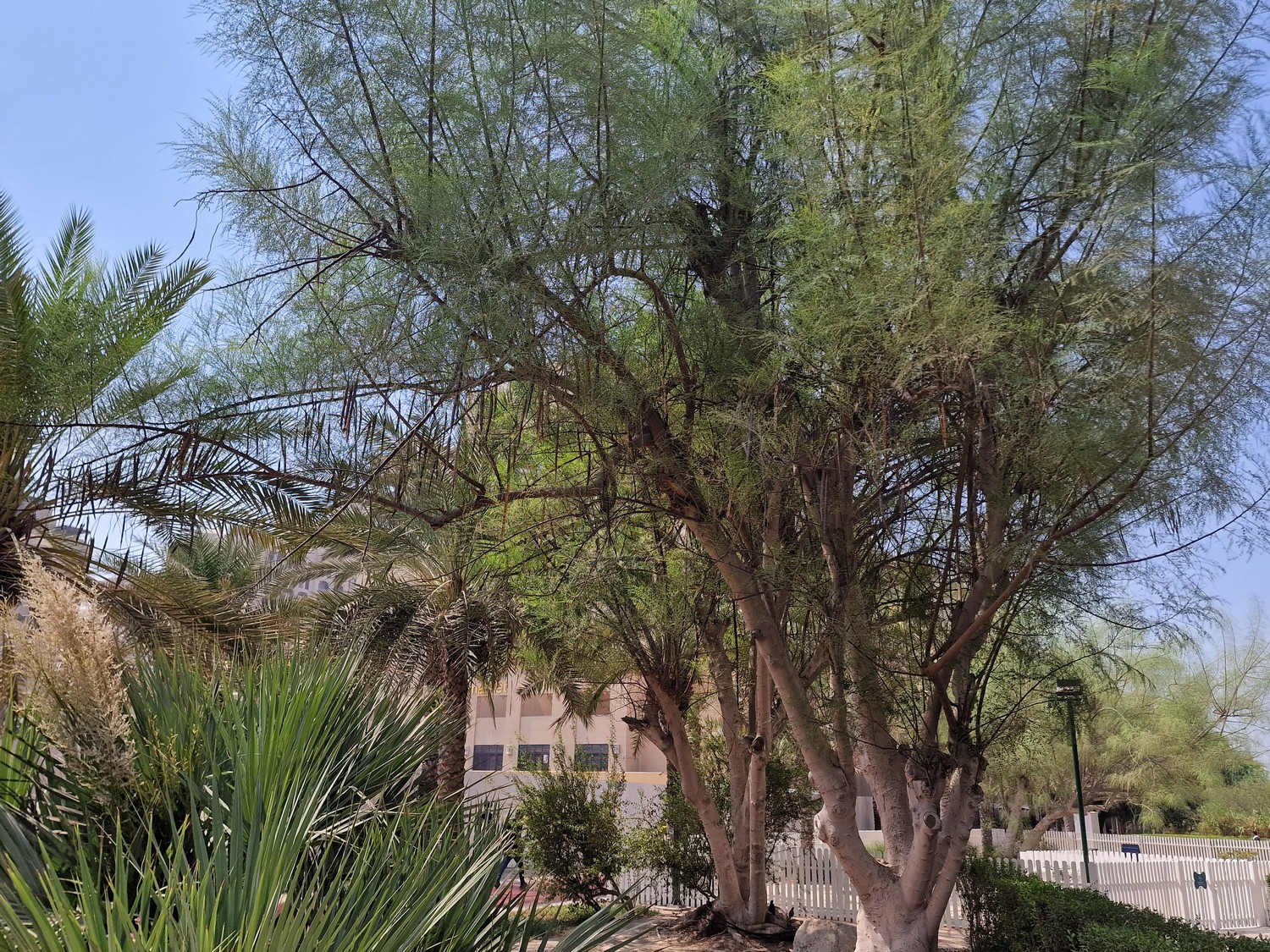
I knew this was coming, as I was asked to quote for a tree survey, though that company didn’t get the work. I guess no one else assessed the trees, as none appear to have been saved (possibly the palms have, but they’re easy to transplant). There were some amazing trees of character there, even if they had been badly pruned. Amongst my favourites were moringa, tamarisk and beautiful Tecomella undulata, with gorgeous orange trumpet flowers. The park was originally envisioned as a native collection (though a few non-natives are mixed in), and at one time there were information boards for all the species used.
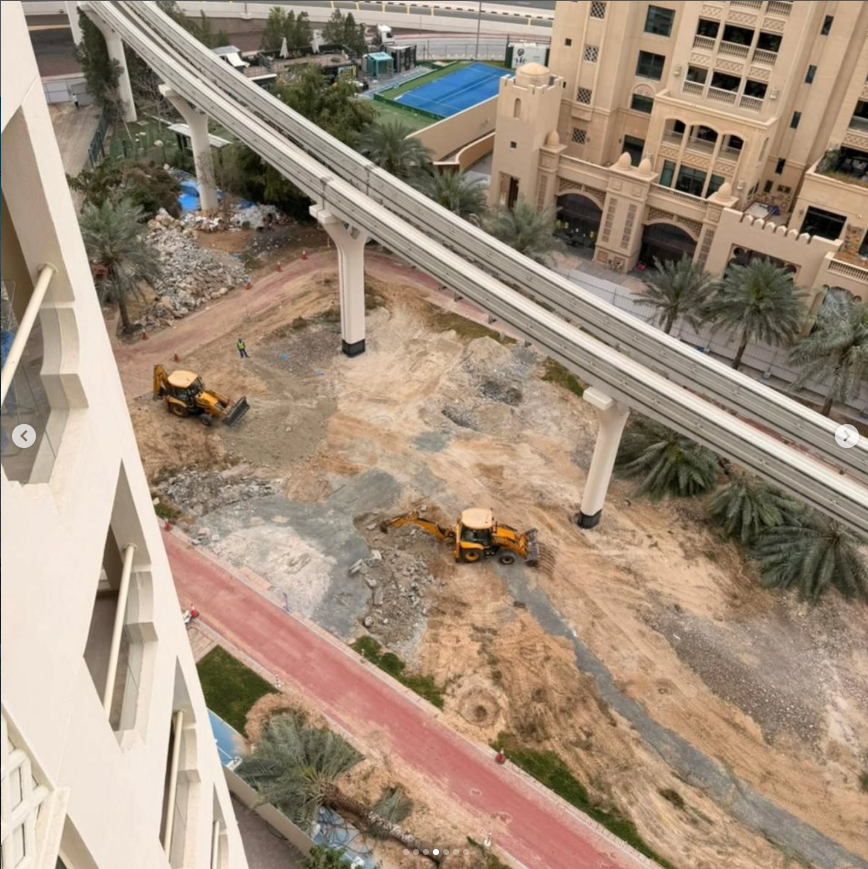
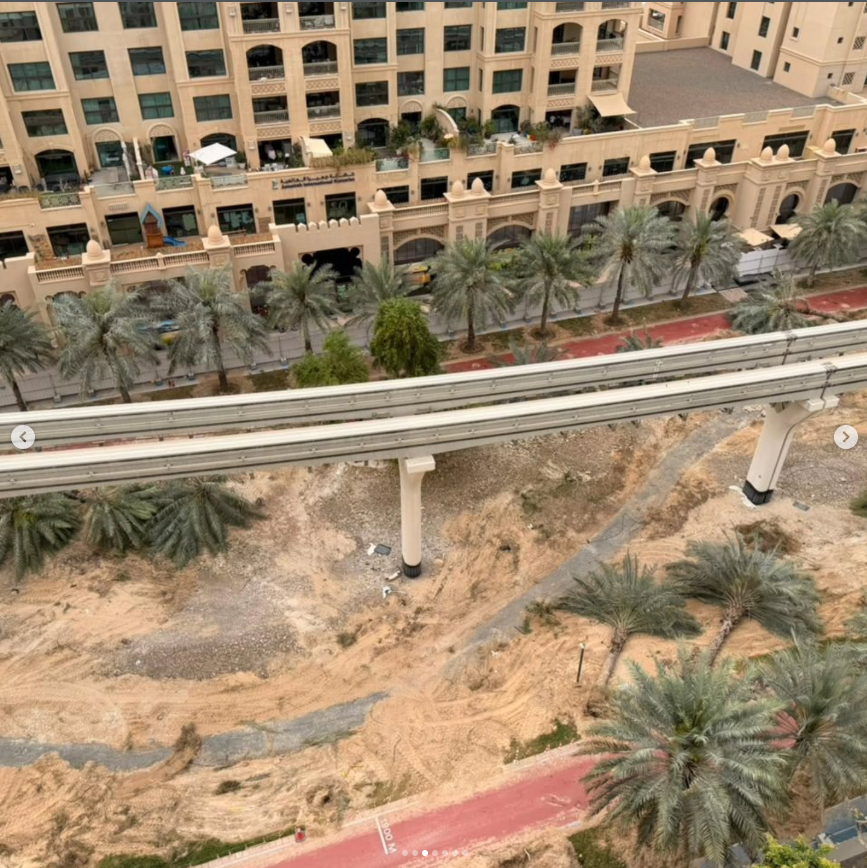
The stated rationale of this redevelopment is a programme of “improvements” to add new facilities. Details remain unclear to both myself and local residents, who have been fenced out and are understandably upset. The proposed facilities reportedly include:
• Paddle and tennis courts
• A dog park and pet play area
• A skate park and adventure zone
• A science park
• Children’s play areas
• An outdoor gym
• Yoga spaces
All these facilities mean a smaller footprint available for trees, and so less chance of creating shade and a beneficial microclimate. The park was a peaceful place and that value may be lost forever.
This change is the result of treating landscapes as disposable commodities rather than long‑term environmental infrastructure. Dubai, like other hot regions, urgently needs enduring green systems to counter rising temperatures. At nearby La Mer for example, during redevelopment, costly imported olive trees were left without water; although relocation is now being considered (another survey I priced but did not get), the physiological damage from withdrawing irrigation is likely irreversible and some trees have died.
Trees are foundational to urban ecosystems and should be treated as long‑term infrastructure, not disposable aesthetics—something this climate should make self‑evident. Cities therefore need enduring green infrastructure frameworks within which development must sit.
I hope the new park proves worthy; what follows is a pictorial remembrance from visits between 2020 and 2024, of the trees, palms, and shrubs that once defined Al Ittihad Park. I shall miss visiting.