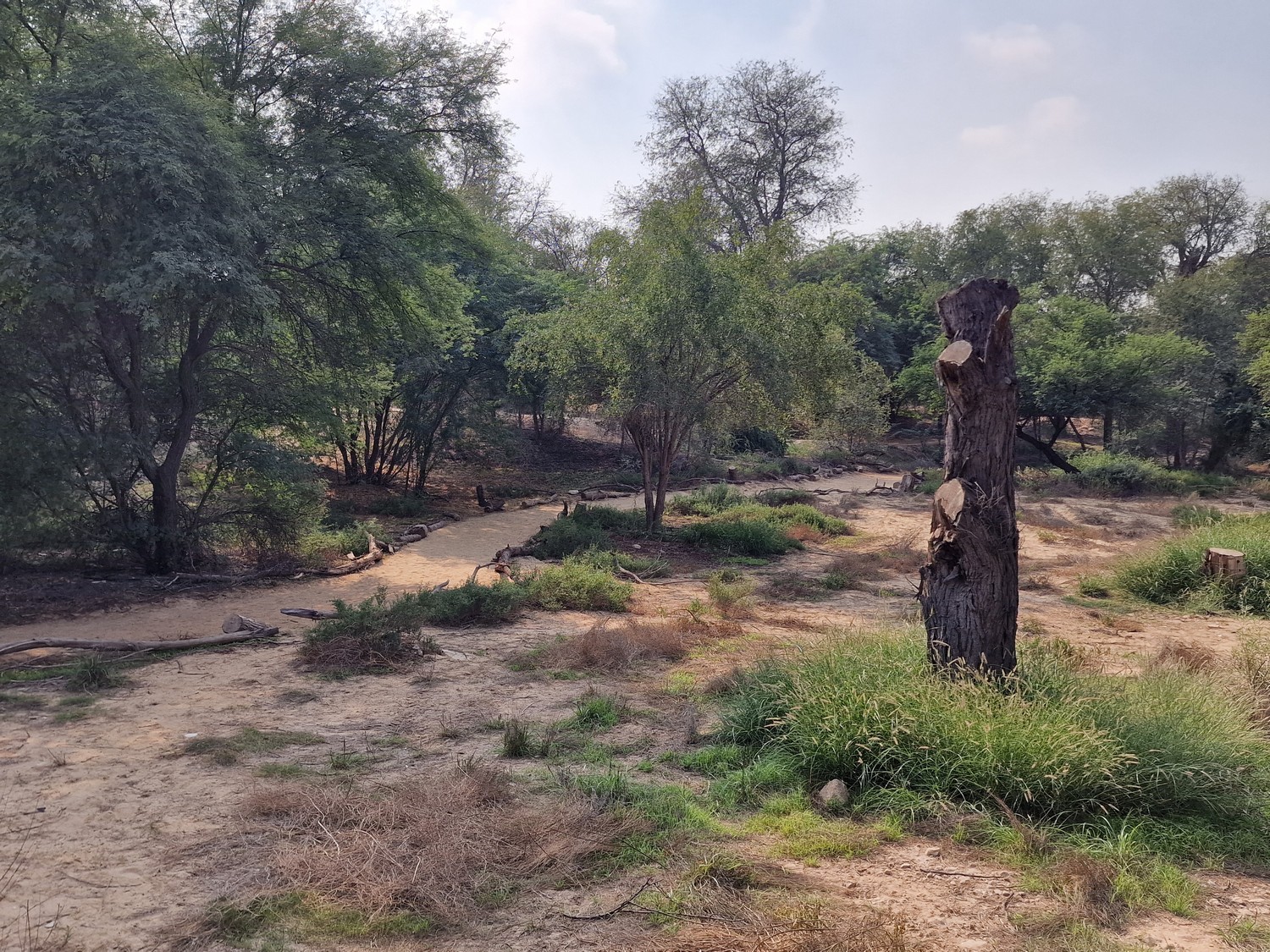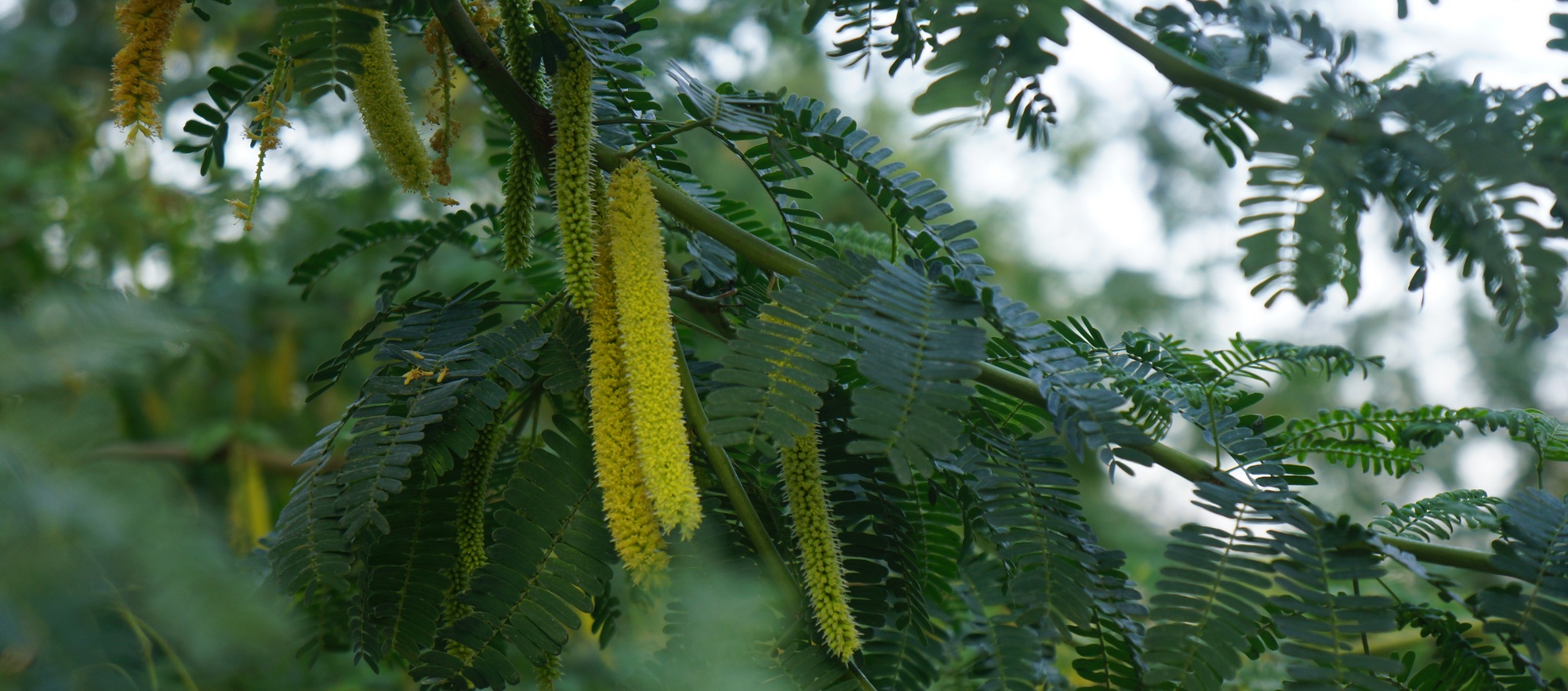
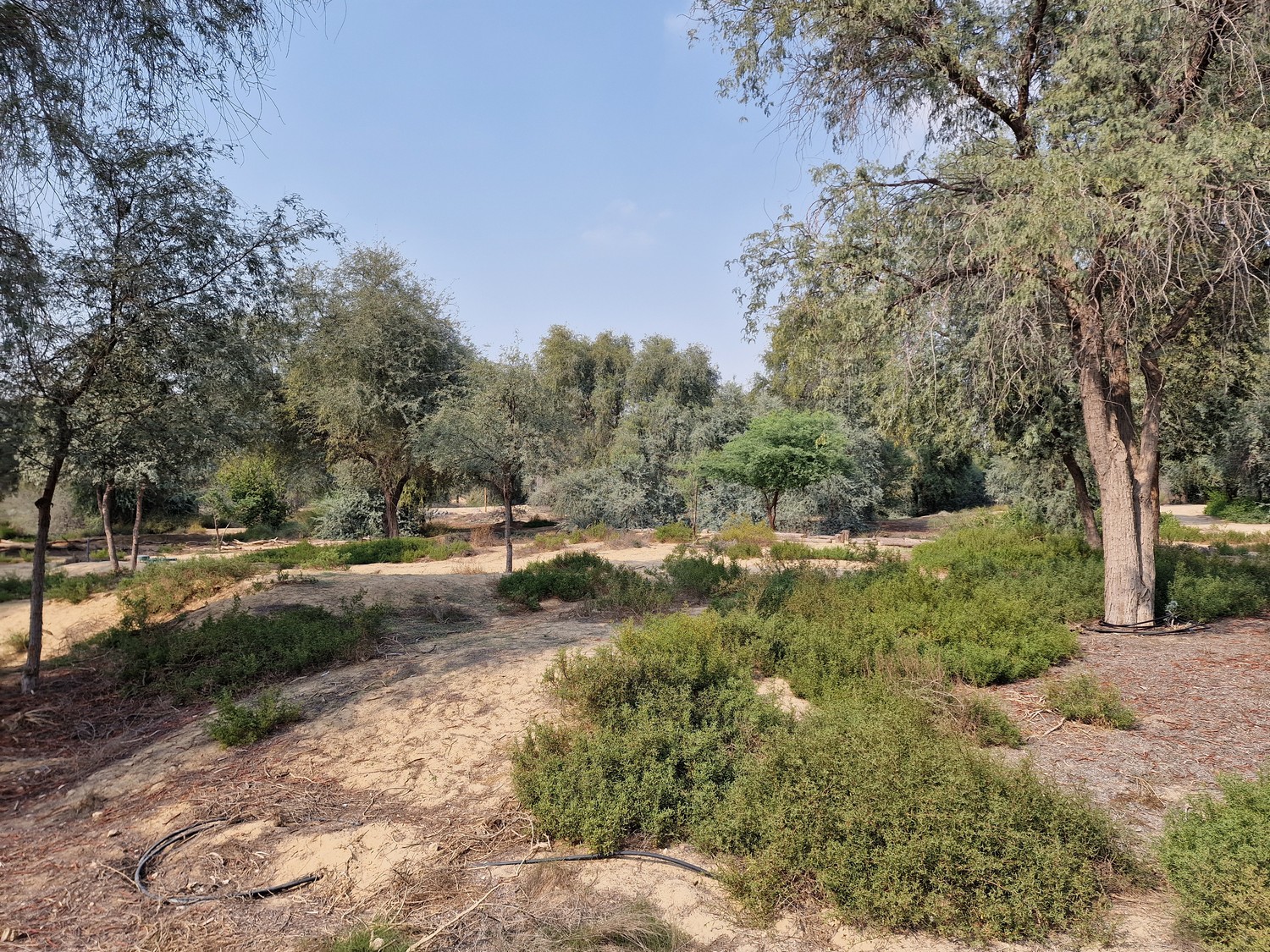
Last month (January 2026) I visited, for the first time, Al Mushrif park, on the outskirts of Dubai. I’ve passed it many times on my various visits, but this time I went straight there from the airport in my hired car, having arrived early morning, with the day to myself. I’d left a cold, drizzly UK, so the gentle warmth and sun of a Dubai winter was a welcome contrast.
The park is famous as a natural park of native species, dominated by Prosopis cineraria – ghaf trees. There are landscaped areas around the central facilities, but you soon move past those. The park is or was a place where transplanted ghaf trees were relocated from other development sites. There is a law in the UAE prohibiting the cutting down of ghaf trees; but there is no law that says they must be transplanted in a way that ensures their survival, as we shall see.
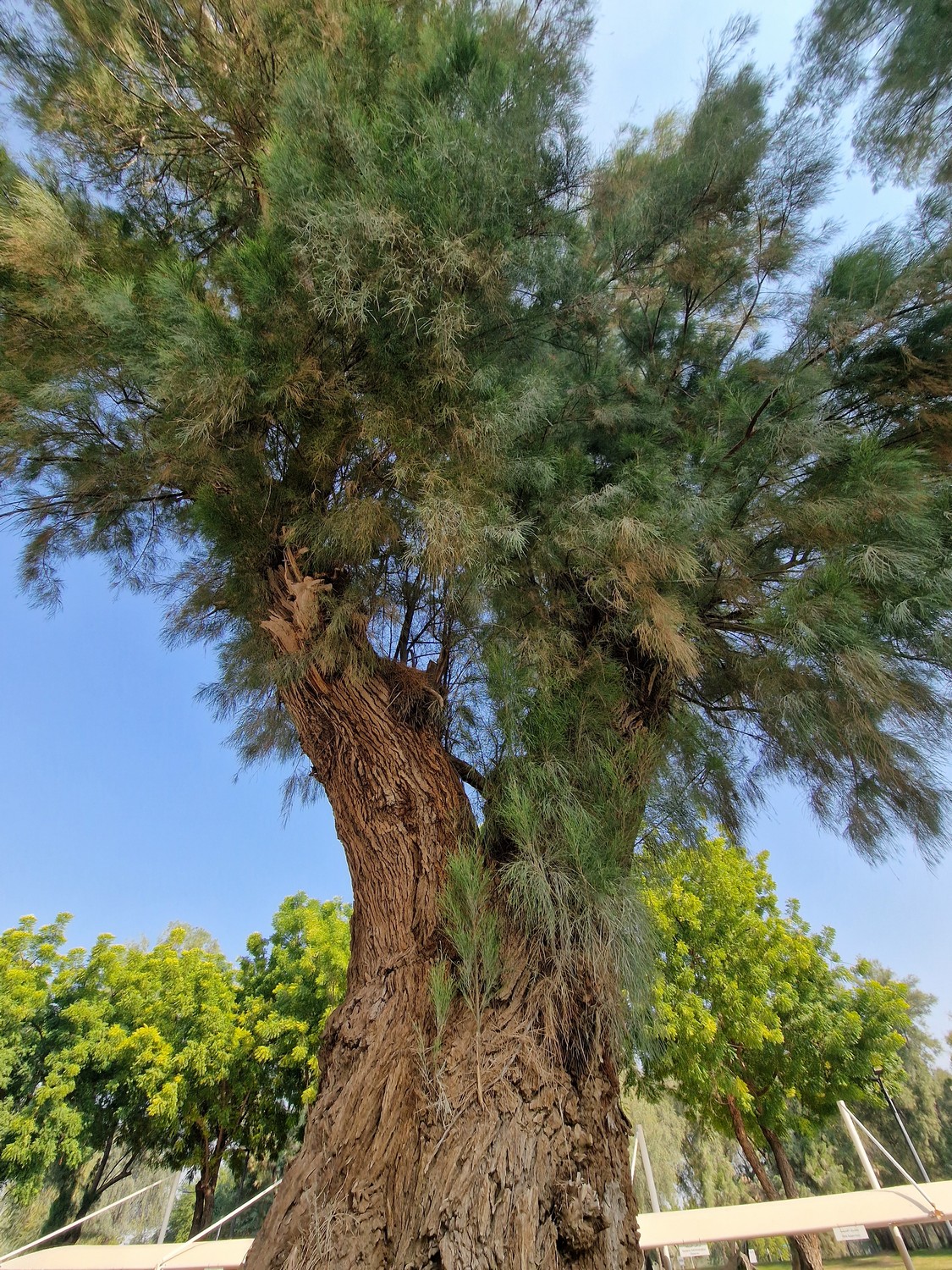
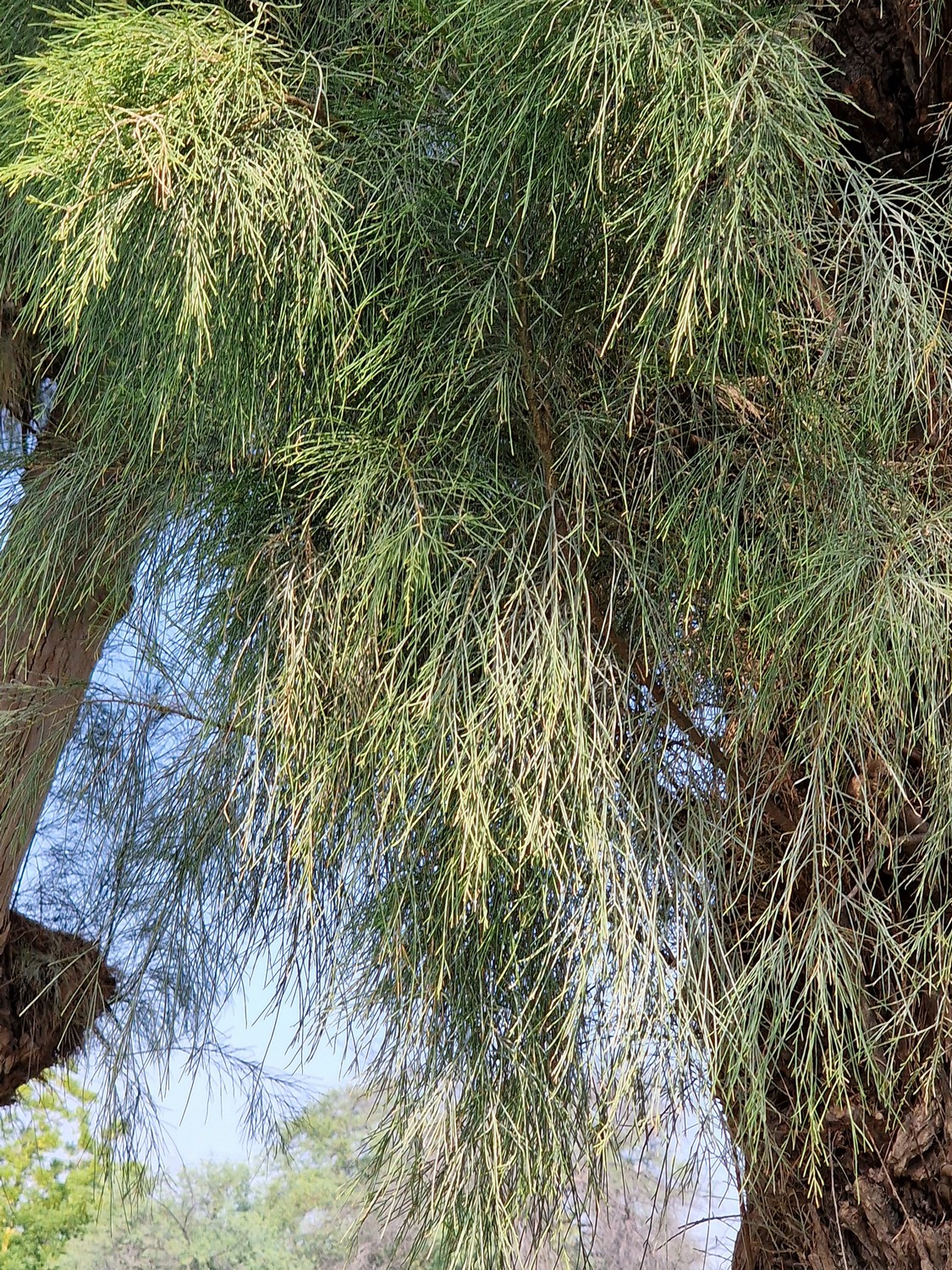
My first encounter was with some impressive Tamarix aphylla, the largest I have ever seen. Most tamarisk grow as small trees or bushes in riparian situations; these were in a landscaped area near the car-park, so irrigated, though I’ve seen them almost as big in Riyadh, unirrigated. However, I was keen to move beyond the lawns and irrigation. I soon came to areas that were untidy, sandy, more natural and much to my liking. Peaceful, except for the staff, wandering around using petrol-driven pole saws for rather vague purposes. Still, the place is not manicured, and that’s a good thing. I’m not sure it’s consciously managed to enhance ecology though, but we’ll come onto that.
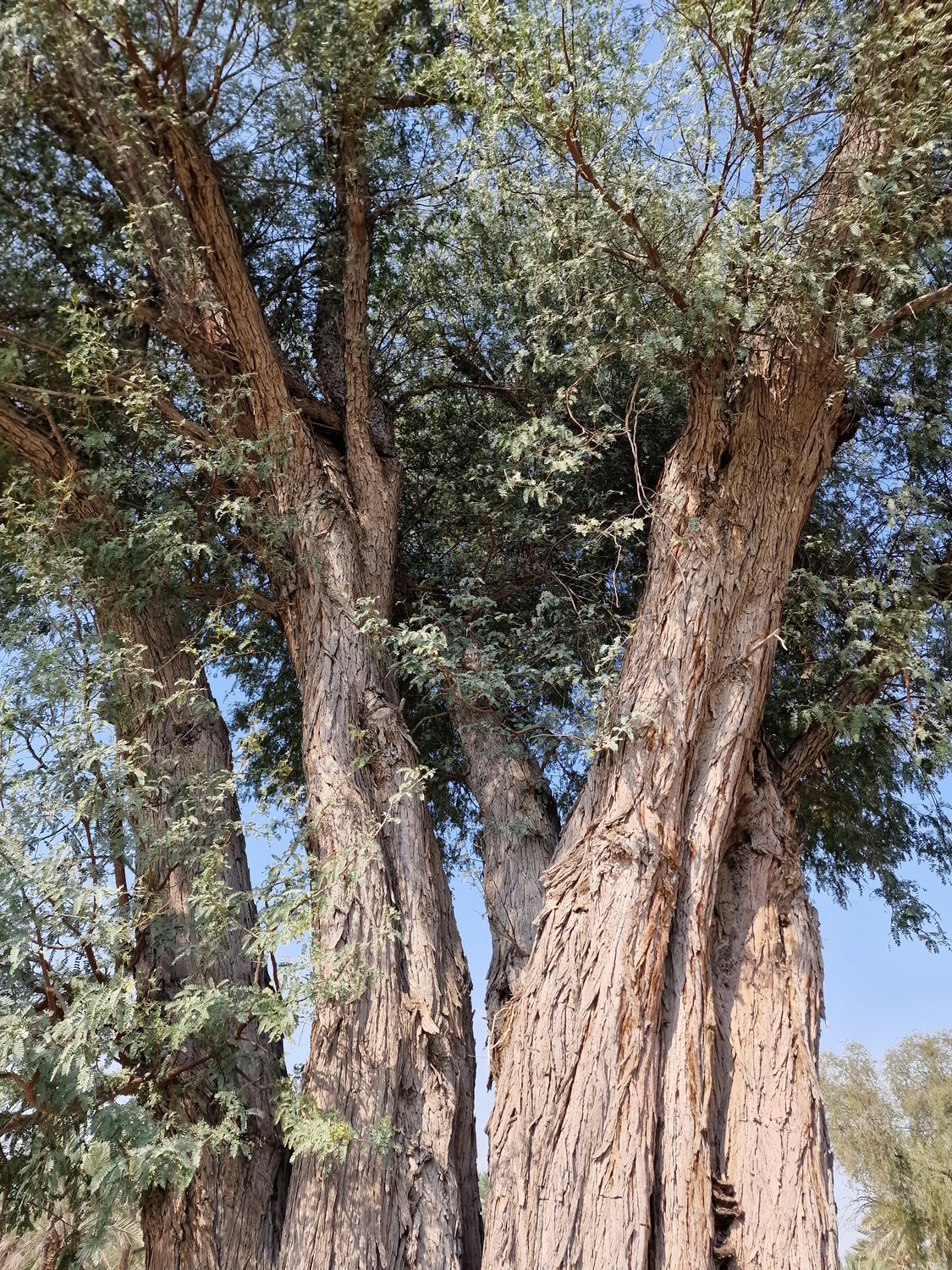
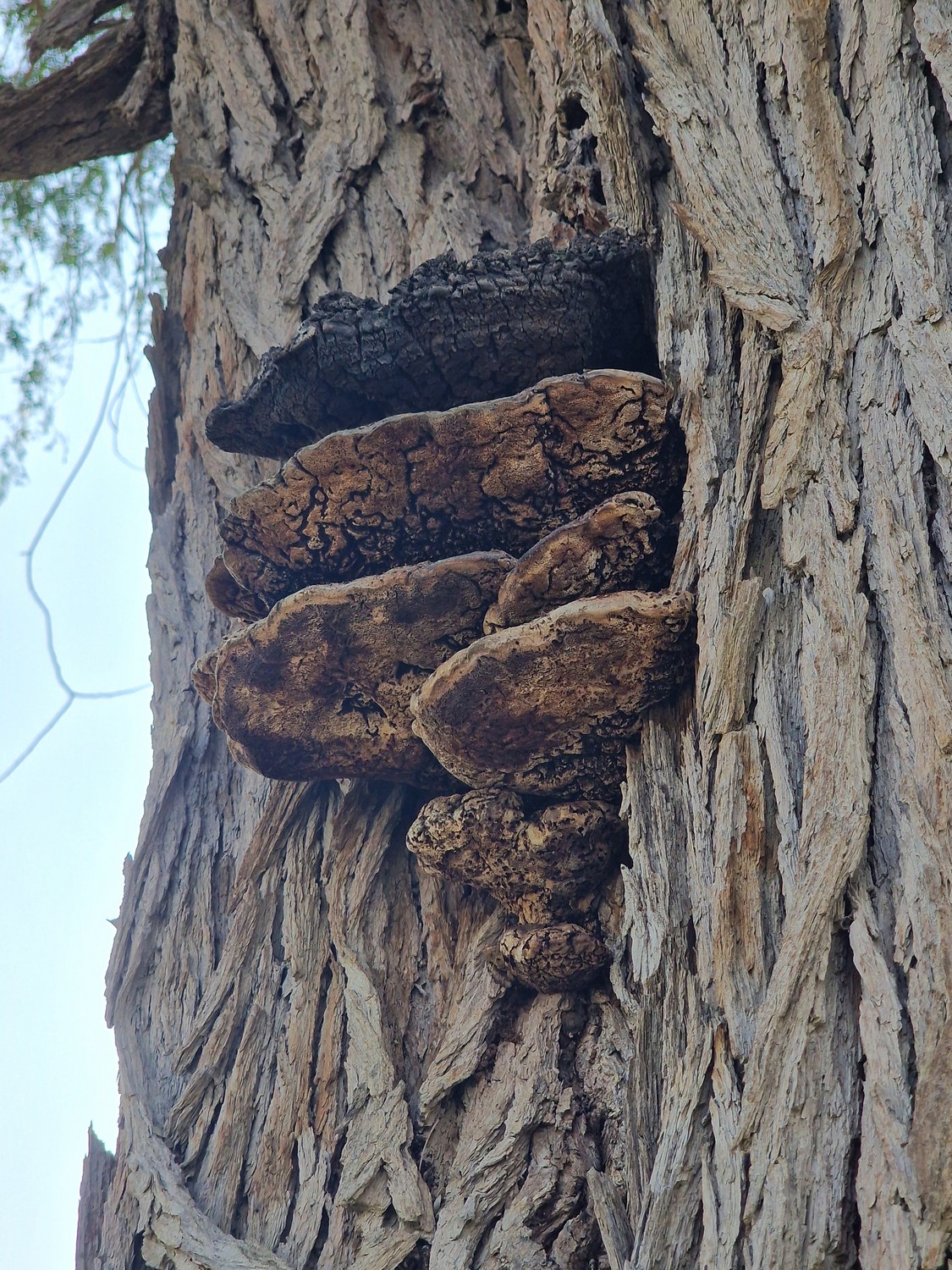
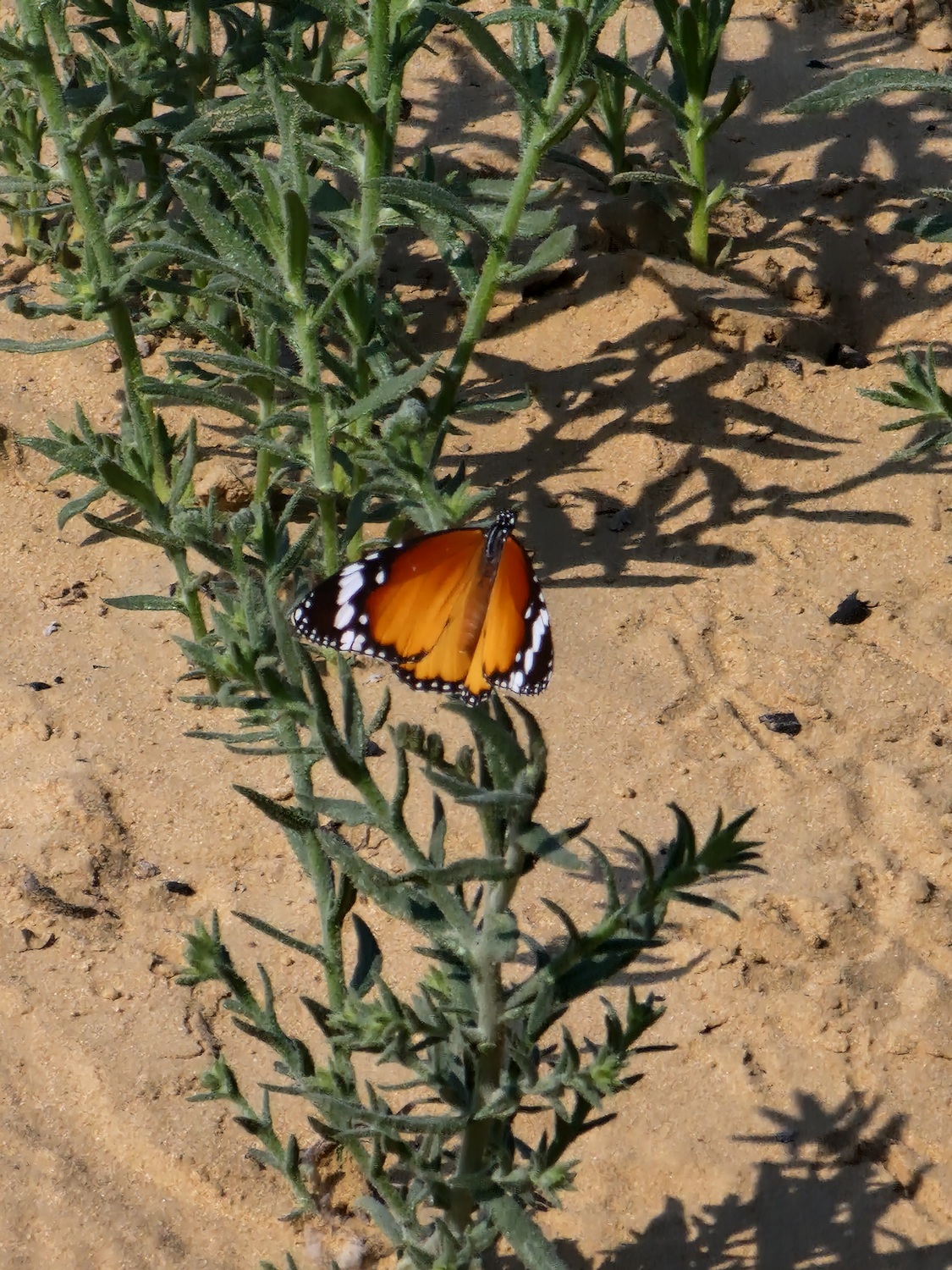
There were, of course, ghaf trees of all sizes, including a few huge specimens like the ones pictured above. Ghaf is dominant, but not the only tree around. There were Ziziphus spina-christi, Tamarandus indica and stands of Vachellia nilotica, amonst others. Shrubs I saw included Pluchea diosciridis, fleabane, Heliotropum bacciferum, heliotrope, Calotropis procera, milkweed and Leptadenia pyrotechnica. African monarch butterflies flitted happily between them.
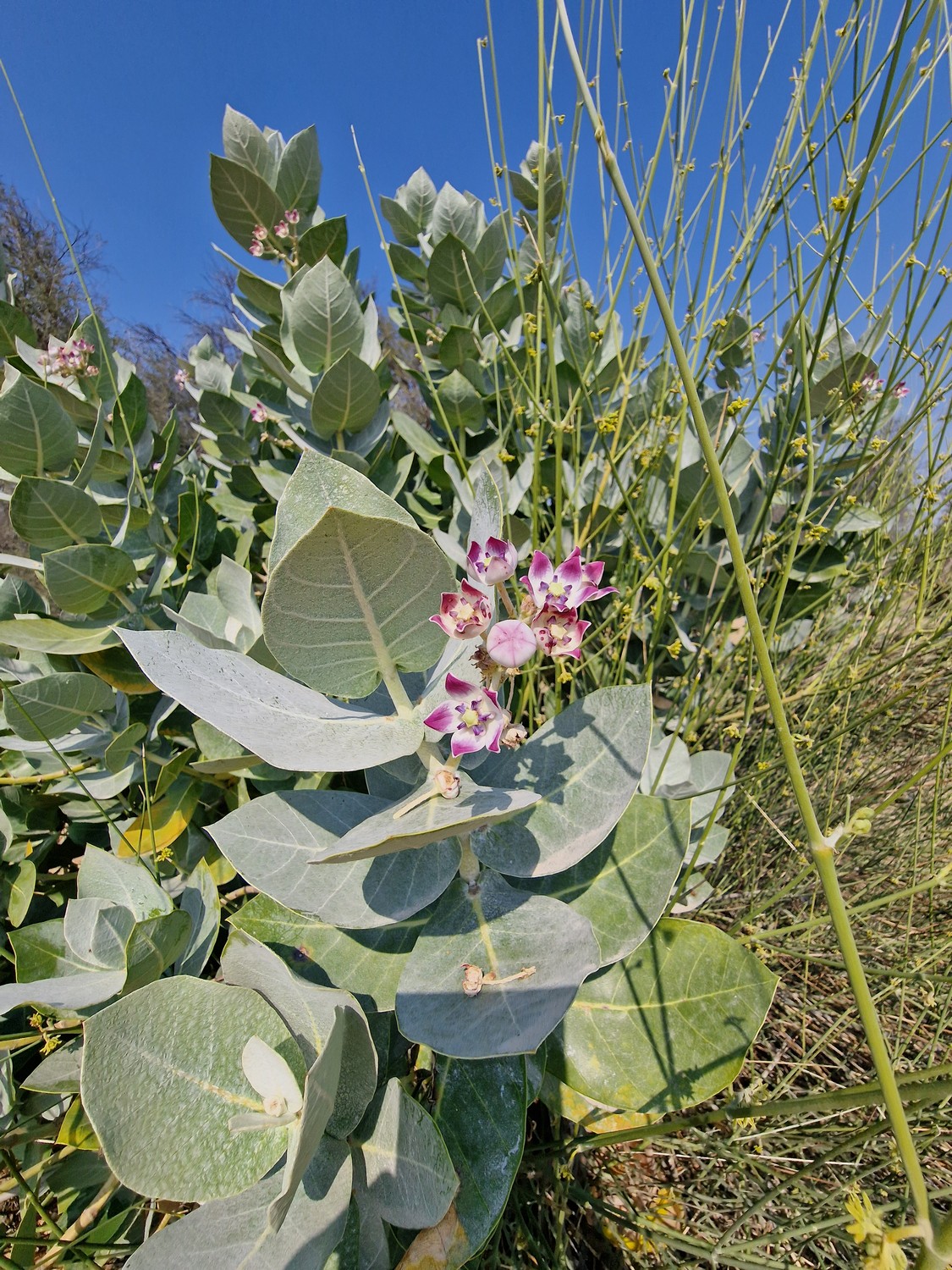
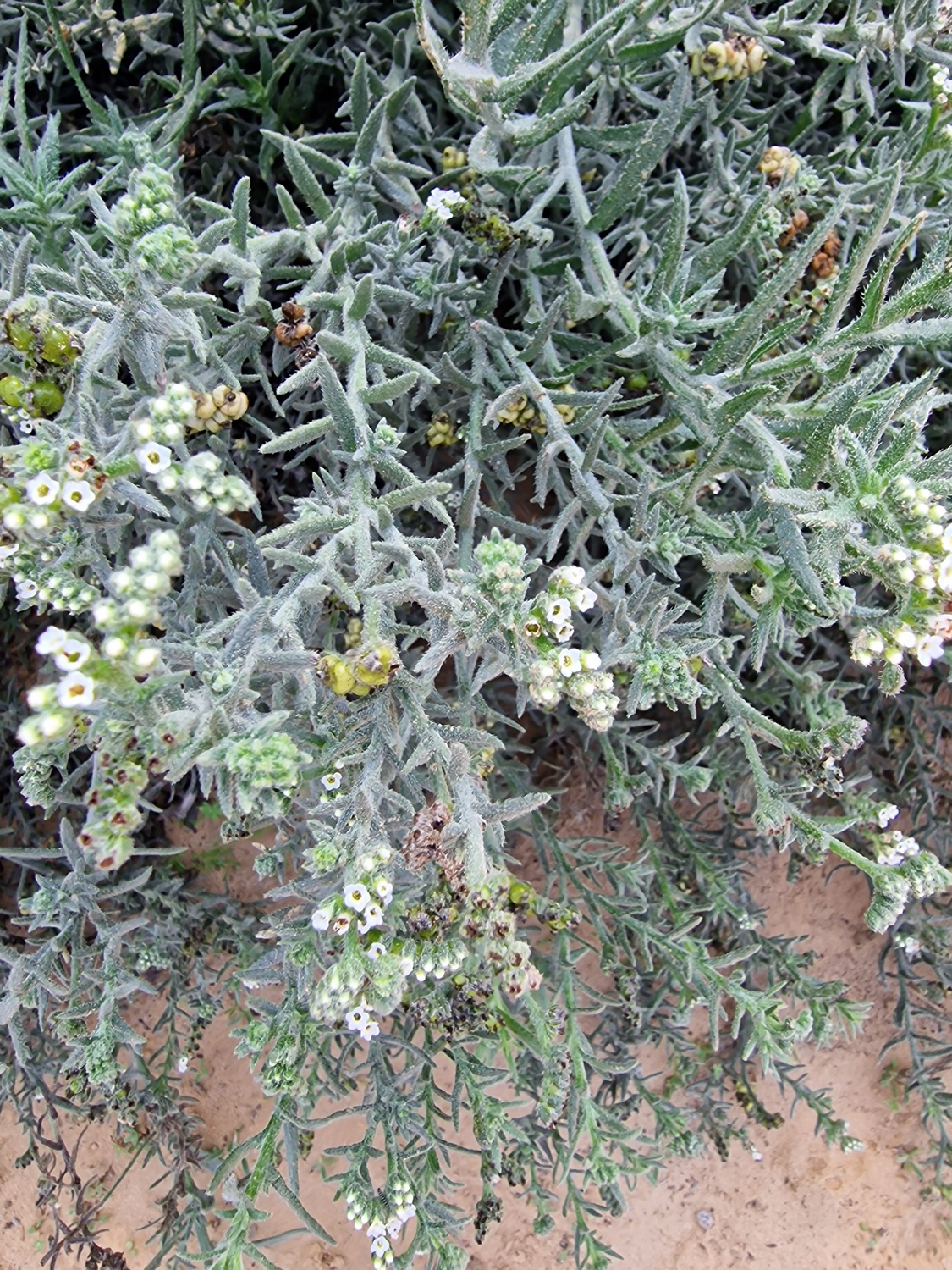
What I really wanted to see was the transplanted trees I’d heard of, but none were to be seen. I walked around within the park, but couldn’t find any. Eventually, I left and drove out, stopping just outside the gates to visit a cafe near the bike hire area. There I was entertained, watching Northern palm squirrels clambering about in nearby Vachellia nilotica (acacia) trees.
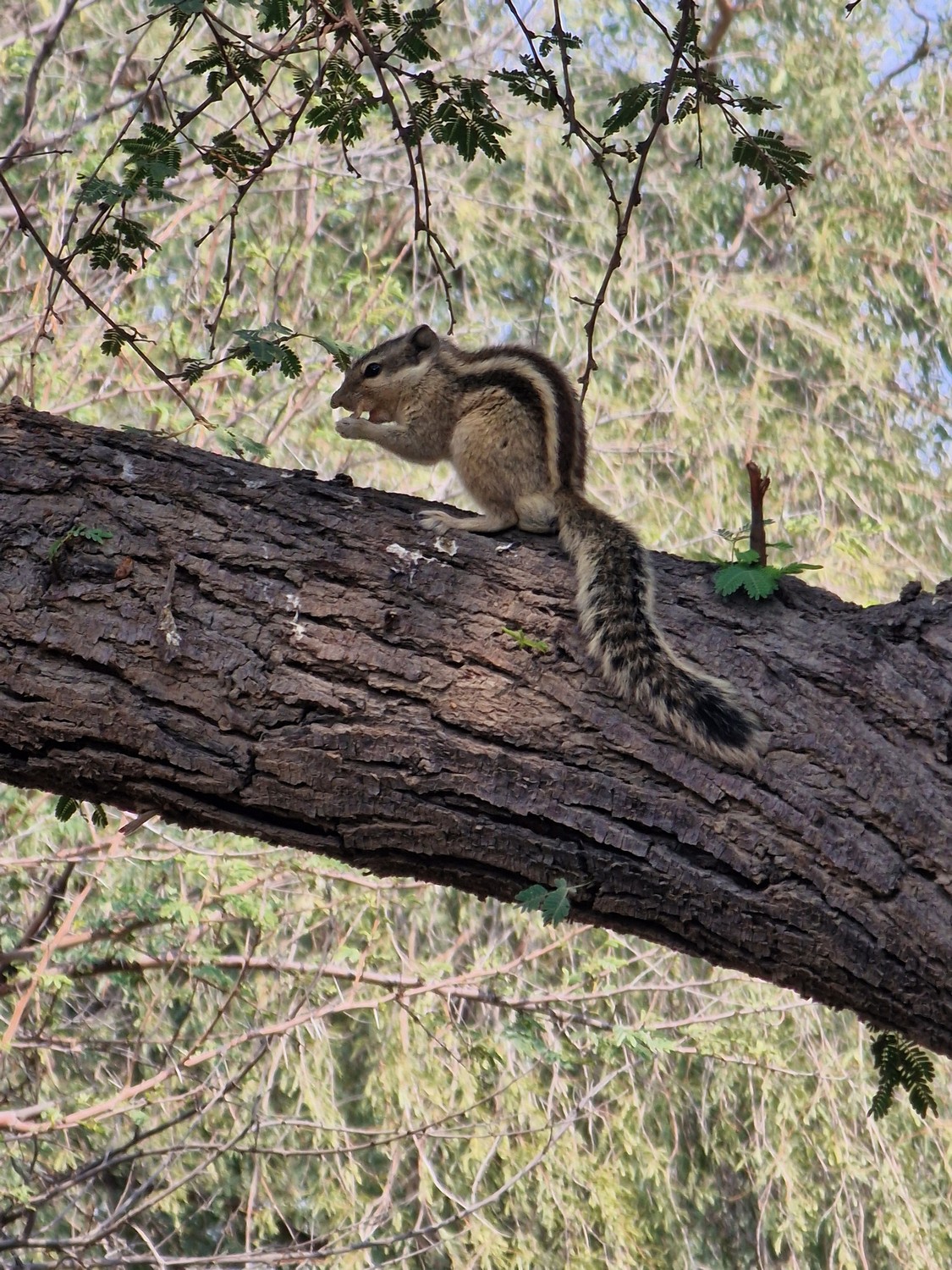
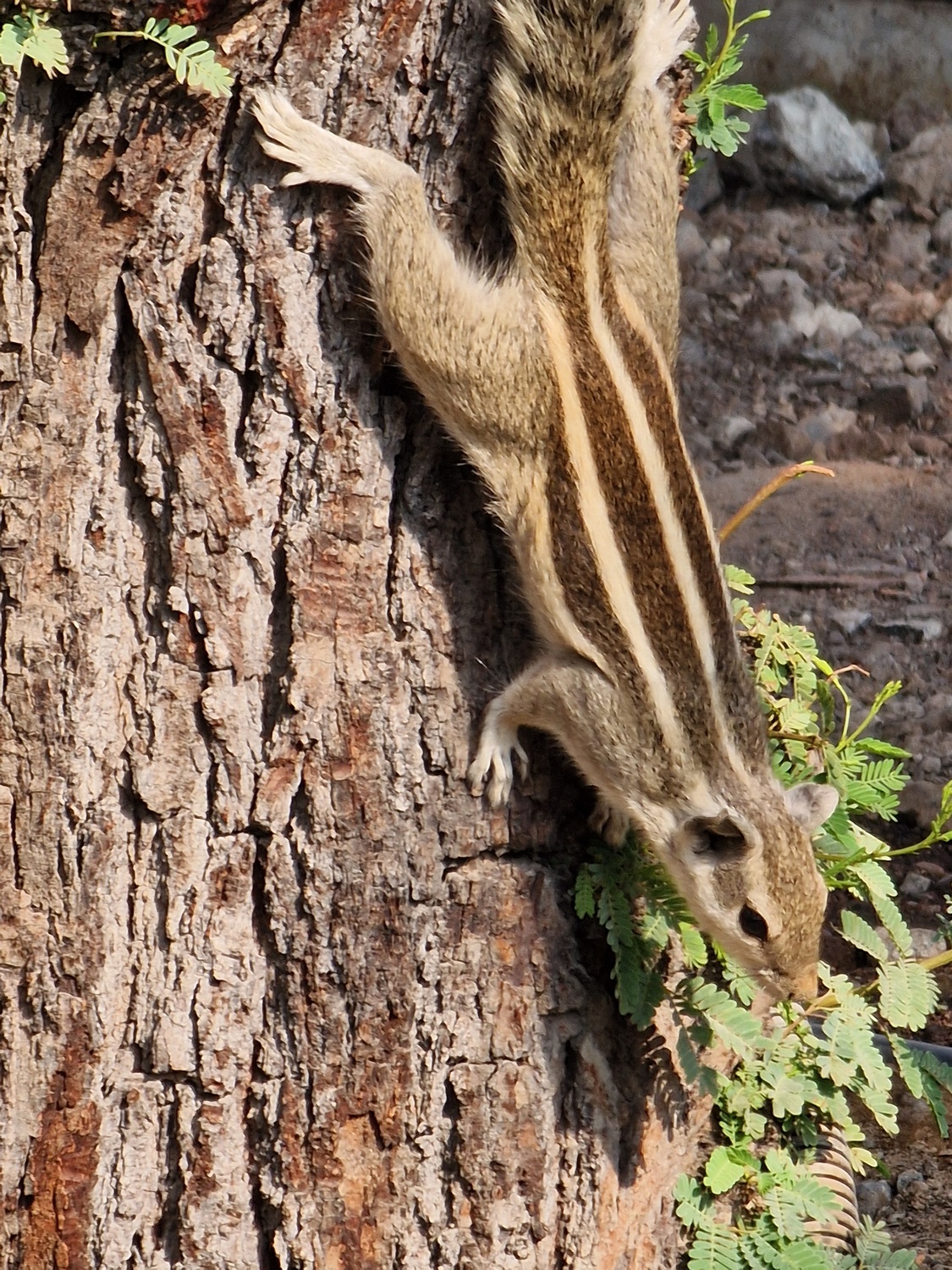
After that, I went for a walk, and found the transplanted ghaf and other trees. There’s an area near the bike tracks of organised ‘hiking trails’ and they’re marked on Google maps as such. My general observation was that these were overly ordered, the trails very visible, often bulldozed through and a path layer laid, to the obvious detriment of some trees and their root zones, which were in clear decline from compaction. The paths in places were so close together you could just walk from one to another across narrow gaps, negating the point of them. Personally, I don’t like being organised and directed when out to have contact with nature, and the paths caused more damage than good. On my way out, some people at a desk asked if I had registered for the walk! I appreciate they may have safety concerns, but that is too much control for my liking.
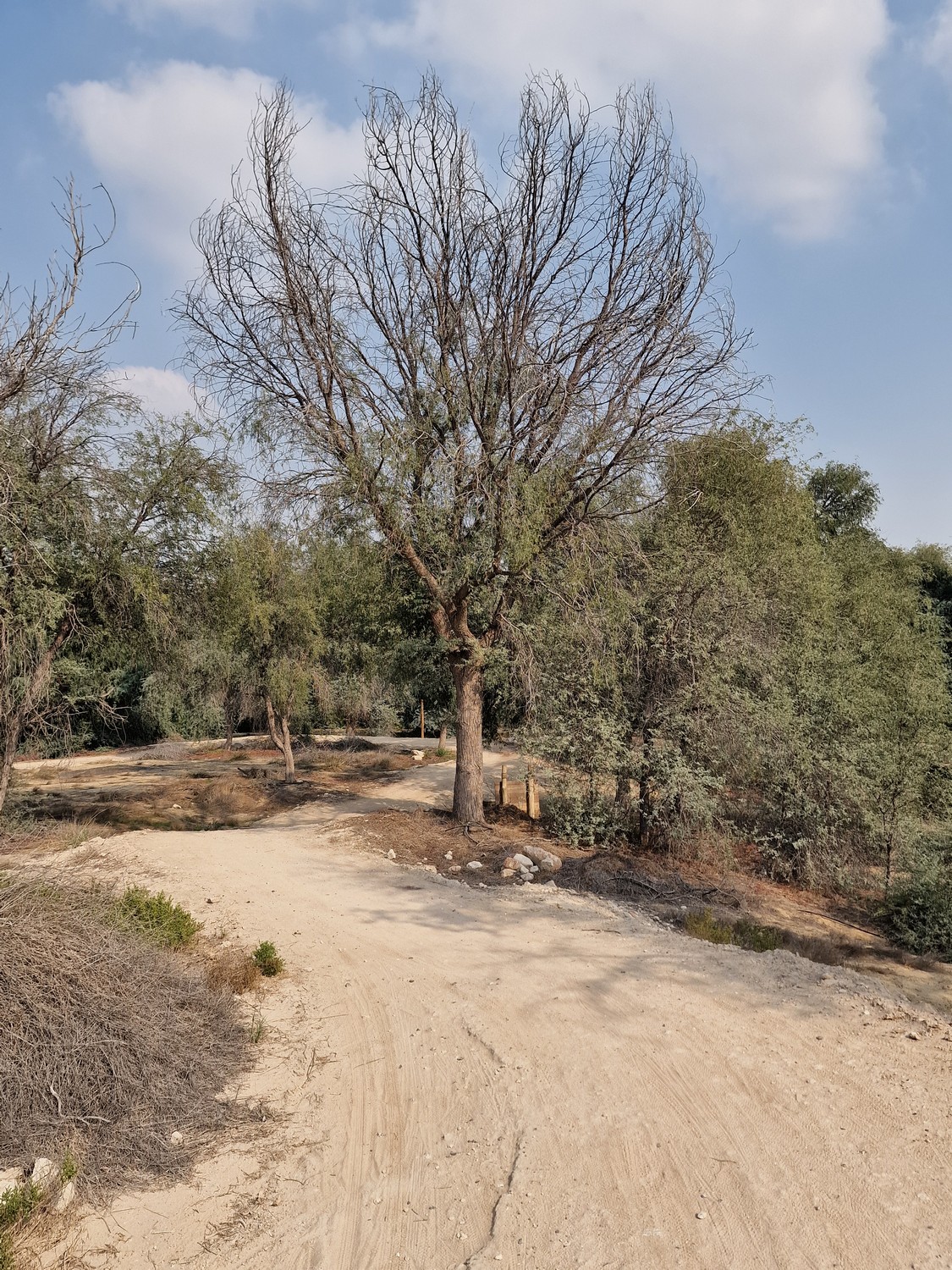
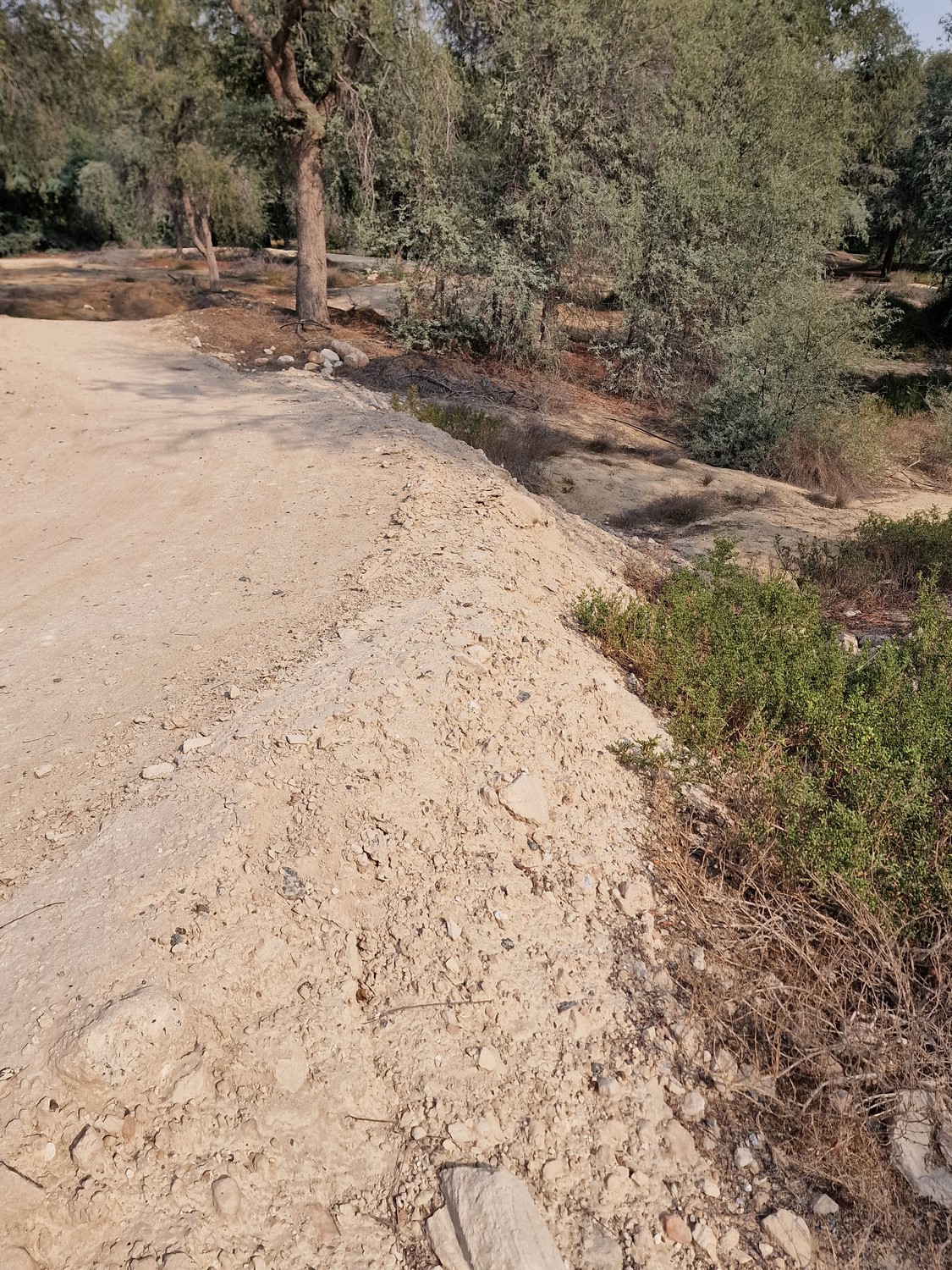
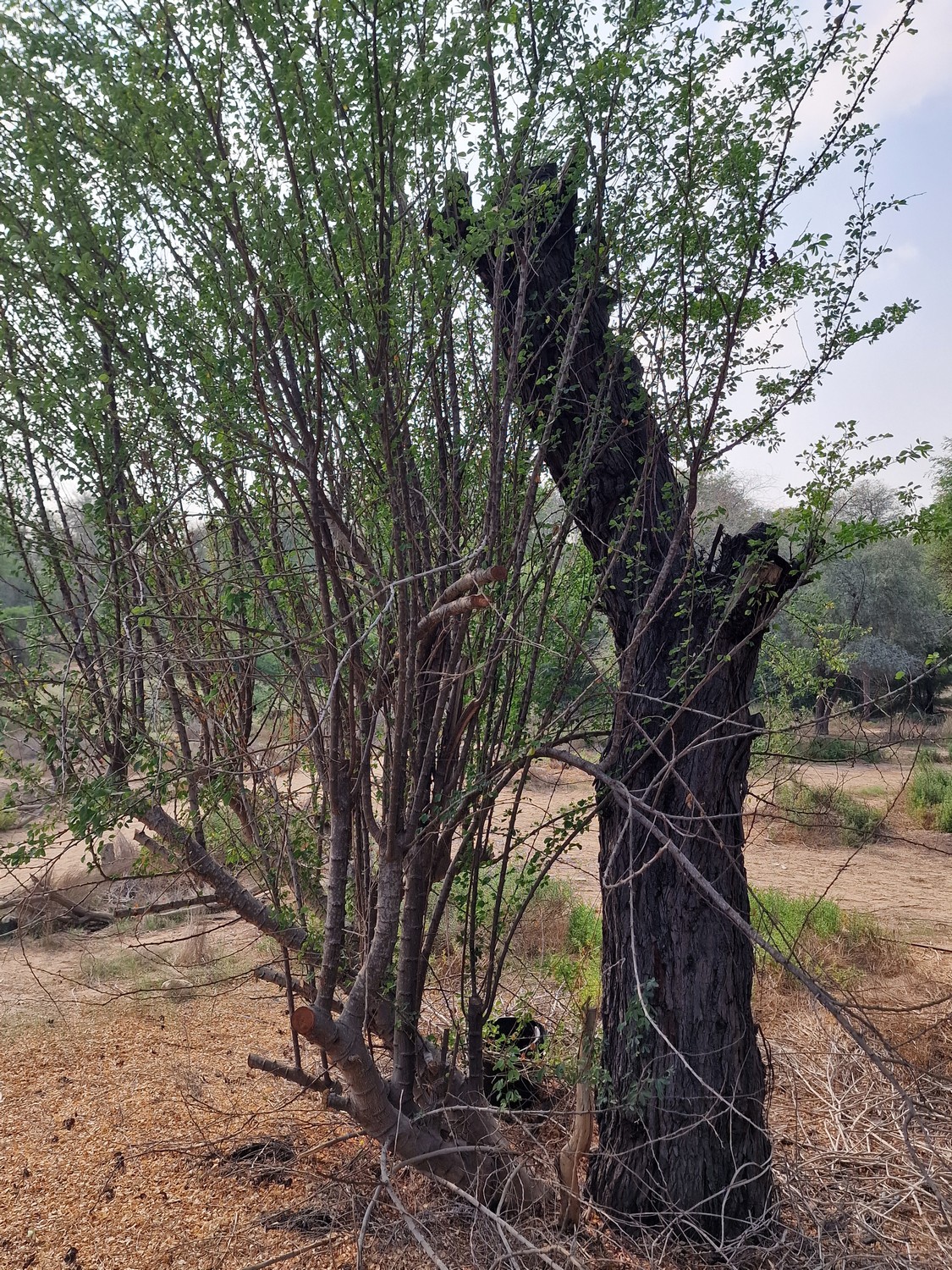
But on to the transplanted trees. These started appearing on various paths, with some interesting results. The majority are dead, but some have suckered from their roots, forming thickets of new trunks surrounding the original, which is quietly rotting away. These are fantastic as ecological habitats, though I’m sure this is an unintended consequence. They are very appropriate in a natural park, where ecosystems are far more than just the obvious things you see. So much life happens internally, or underground.
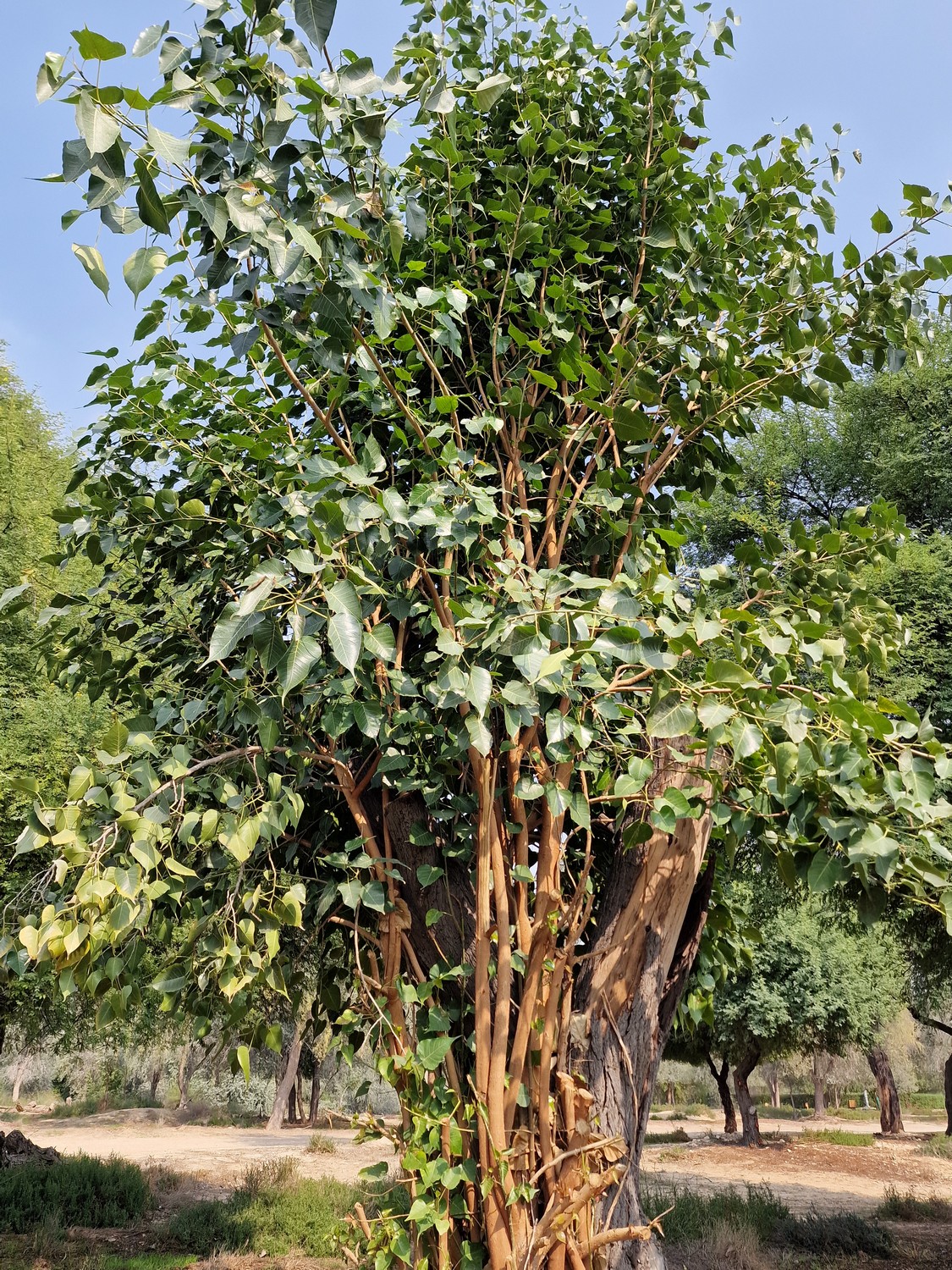
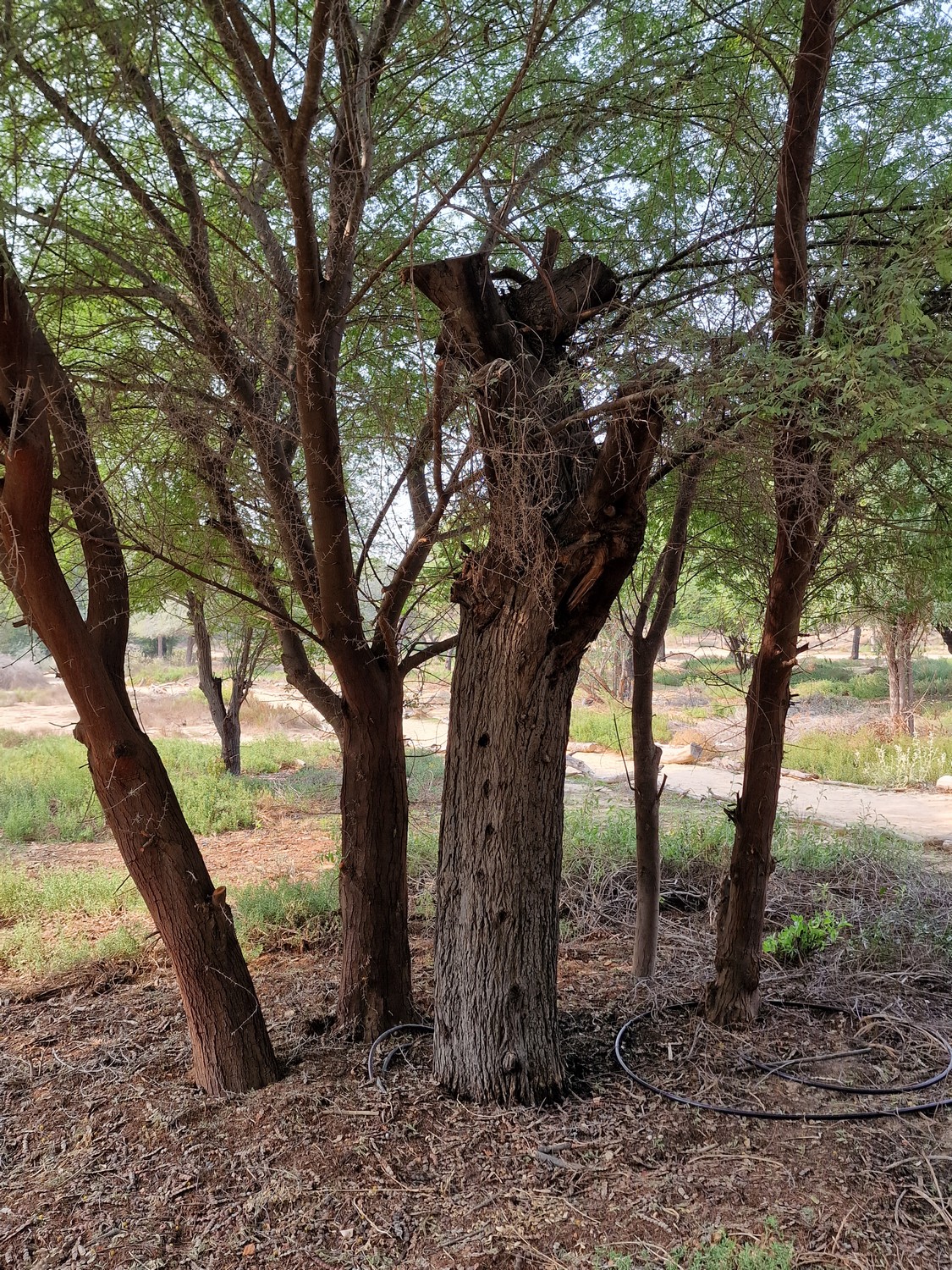
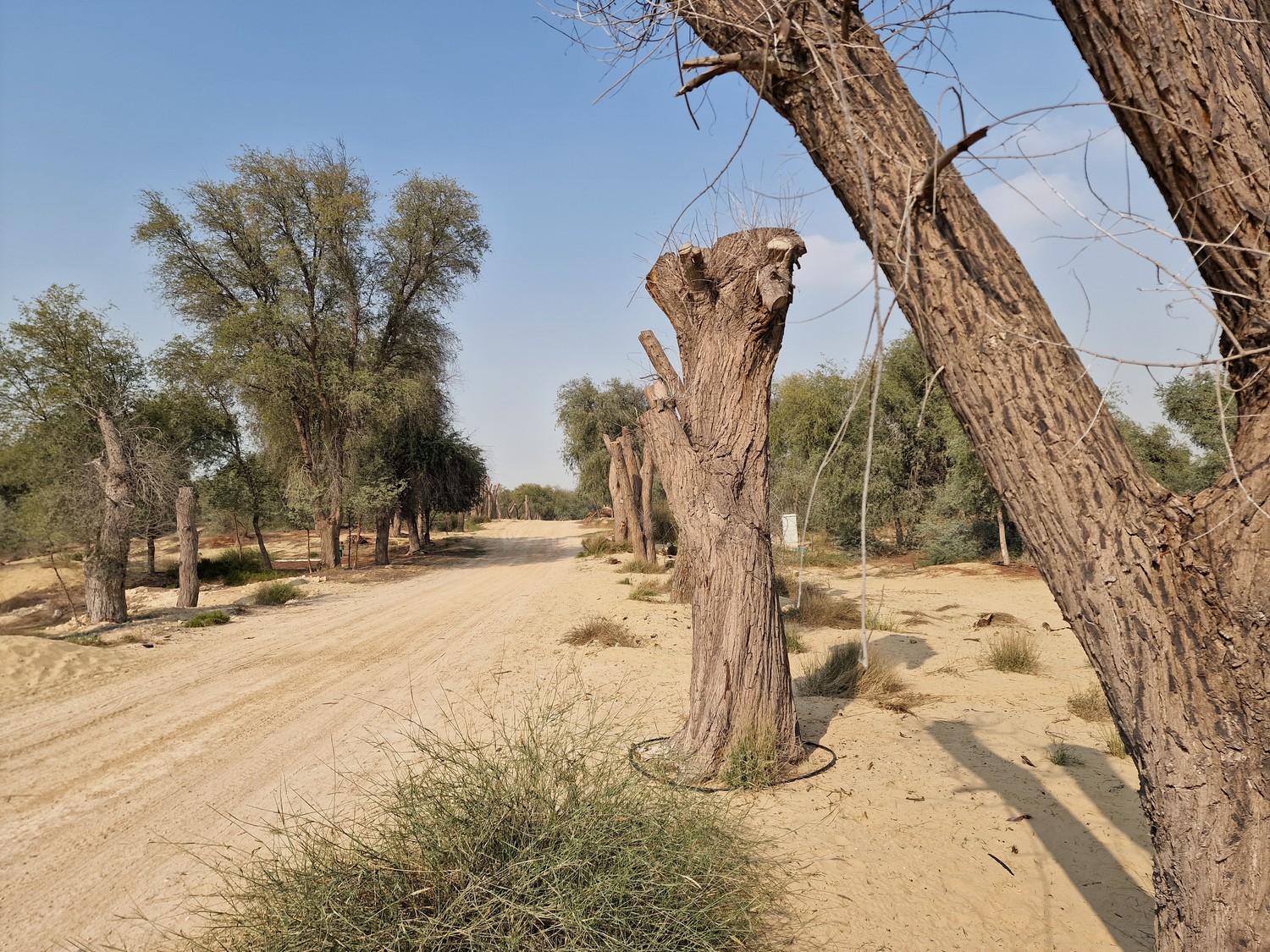
Then I came across a row of big ghaf trunks, and all of the transplanted ones were dead. From an ecosystem point of view, still a valuable asset as standing deadwood, but from the way they were planted either side of a track, they were clearly intended to live. Transplanting success comes down to factors such as size, transplant preparation (time and method), lifting method and time of year. It looks like these had some irrigation once planted, but a single dripline around the base is completely inadequate.
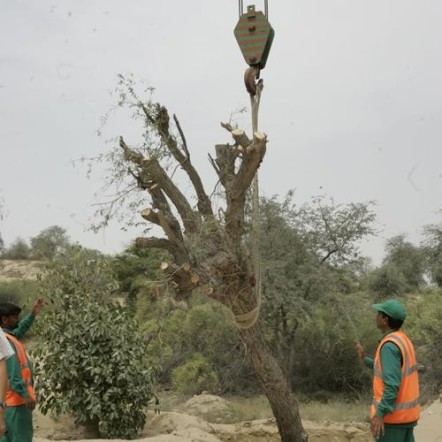
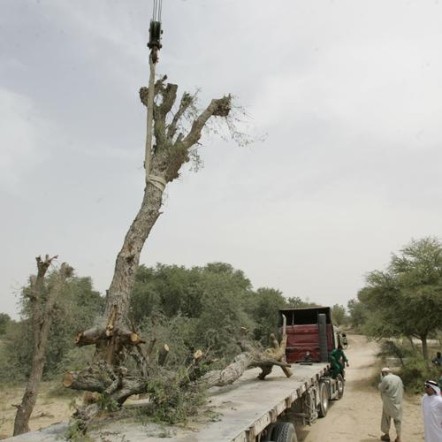
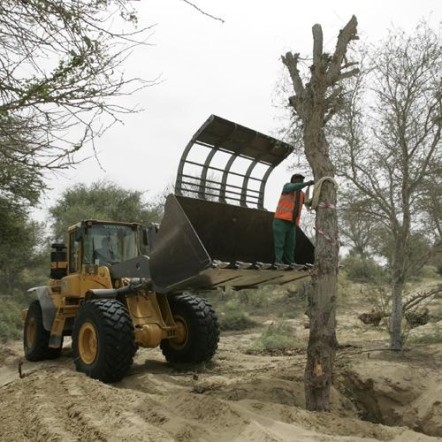
I have the following pics in archive from an old Gulf News article, not sure who to give photo credit for (possibly XPRESS/Zarina Fernandes), but they show the transplant methods used, which explains why they mostly died. No roots or soil, no crown remaining (no photosynthetic ability), so the tree has to overcome extreme shock and dehydration, then regenerate both roots, branches and leaves from stored energy reserves. They didn’t stand a chance, but remain valuable as standing deadwood.
Overall, the park is a beautiful place, a curious mix of wild areas, scattered picnic spots (well used), over-designed walking trails and stunning natural beauty. It would benefit perhaps, from subtle changes in management, to enhance and promote the ecological function of place, rather than being (to my eye) a managed desert ghaf plantation with some tourist facilities. It is still one of the best places in Dubai to go if you want contact with nature, without having to travel too far. I look forward to my next visit.